Carex tessellata
Overview
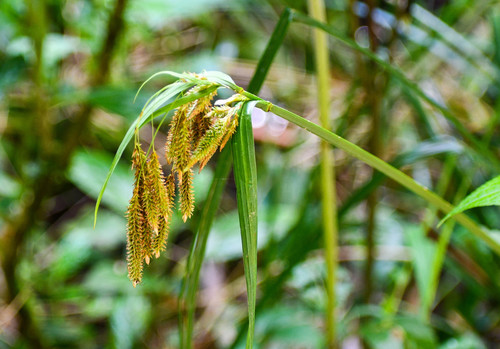
Carex acutata is a species of sedge, a perennial flowering plant, in the family Cyperaceae. It was first formally named by Francis Boott in 1846.
Carex tessellata faces severe population decline primarily due to wetland drainage and agricultural conversion of its specialized sedge meadow habitats. Urban development and infrastructure projects have eliminated many historical sites, while altered hydrology from water management practices disrupts the specific moisture regimes this sedge requires. Climate change compounds these pressures by shifting precipitation patterns and increasing drought frequency in its limited range.
Habitat
Carex tessellata inhabits wet sedge meadows, marshy areas, and the margins of shallow wetlands, typically in calcareous soils with consistent moisture levels. This specialized sedge requires specific hydrological conditions found in undisturbed wetland ecosystems.
Other threatened species in CYPERACEAE
Frequently asked questions
Why is Carex tessellata classified as Critically Endangered?
Where does Carex tessellata live?
What are the main threats to Carex tessellata?
Get weekly conservation intelligence
One short digest a week of the most striking species and country data we ship, plus breaking conservation news paired with our database where it matters.
Free, no spam. One-click unsubscribe in every email.