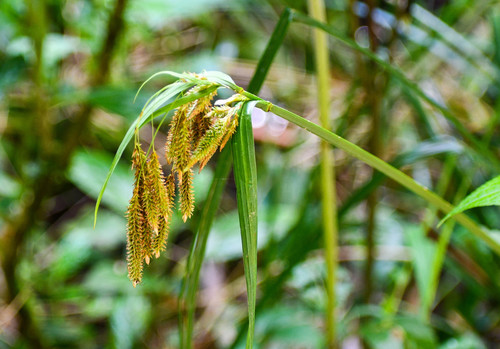
Carex tahitensis
Overview
A detailed profile for this species is sourced from the IUCN Red List of Threatened Species as assessments become available.
Carex tahitensis faces severe pressure from habitat degradation across its limited range in French Polynesia's mountainous regions. Invasive plant species, particularly aggressive grasses and shrubs, are displacing native sedge communities and altering soil composition. Tourism development and infrastructure expansion in accessible highland areas continue to fragment remaining populations, while climate change threatens the cool, moist conditions this endemic sedge requires.
Habitat
This endemic sedge inhabits montane grasslands and wet meadows in the volcanic highlands of Tahiti, typically occurring at elevations between 800-1,500 meters. It grows in permanently moist soils along stream margins and in boggy depressions where native vegetation communities persist.
Other threatened species in CYPERACEAE
Frequently asked questions
Why is Carex tahitensis classified as Vulnerable?
Where does Carex tahitensis live?
What are the main threats to Carex tahitensis?
Get weekly conservation intelligence
One short digest a week of the most striking species and country data we ship, plus breaking conservation news paired with our database where it matters.
Free, no spam. One-click unsubscribe in every email.