
Red Wolf
Canis rufus
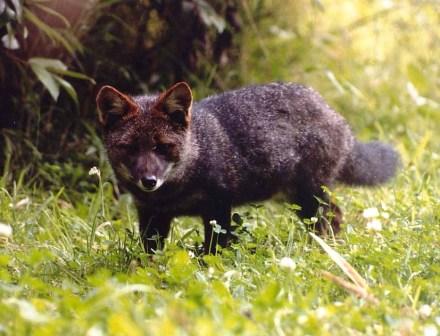
Photo: Wikimedia Commons (CC) via https://en.wikipedia.org/wiki/Red_wolf
Overview
A detailed profile for this species is sourced from the IUCN Red List of Threatened Species as assessments become available.
The red wolf faces extinction primarily due to hybridization with coyotes, which dilutes the genetic integrity of the remaining population. Habitat fragmentation and human encroachment have forced red wolves into closer contact with expanding coyote populations, accelerating genetic introgression. Vehicle strikes and illegal shooting continue to cause direct mortality, while the species' extremely small population size makes it vulnerable to stochastic events and inbreeding depression.
Habitat
Red wolves inhabit coastal prairies, forests, wetlands, and agricultural areas of the southeastern United States. They prefer areas with dense cover for denning and hunting, including pocosins, swamps, and mixed pine-hardwood forests.
Conservation measures underway
Other threatened species in CANIDAE

Threatened in Canada


Frequently asked questions
Why is Red Wolf classified as Critically Endangered?
Where does Red Wolf live?
What are the main threats to Red Wolf?
Get weekly conservation intelligence
One short digest a week of the most striking species and country data we ship, plus breaking conservation news paired with our database where it matters.
Free, no spam. One-click unsubscribe in every email.