
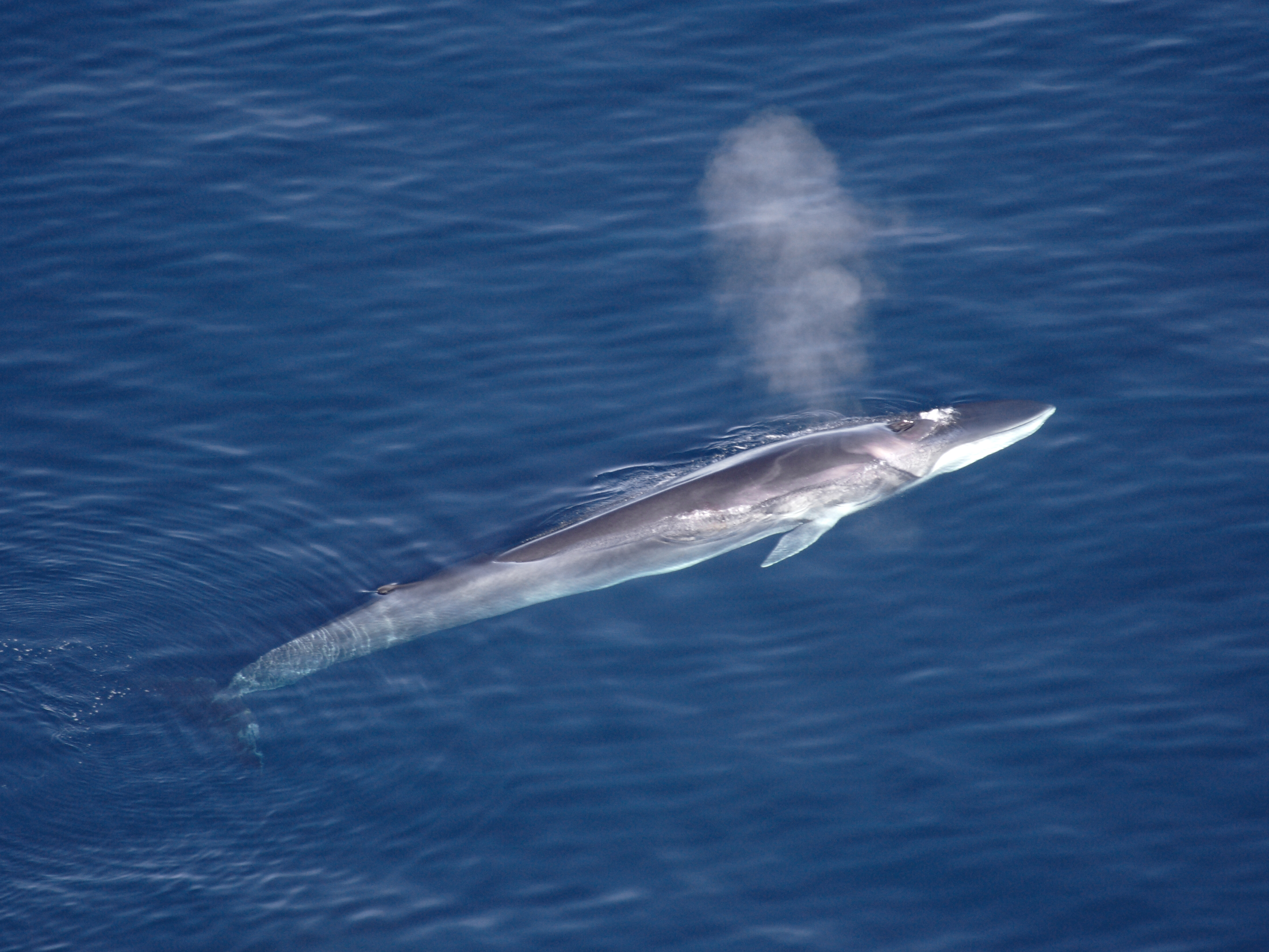
Blue Whale
Balaenoptera musculus
Photo: Wikimedia Commons (CC) via https://en.wikipedia.org/wiki/Blue_whale
Overview
The blue whale is the largest animal known to have existed, reaching lengths of up to 30 meters and weighing as much as 180 metric tons. Its body is long and streamlined, mottled blue-gray, with a small dorsal fin set far back. As a baleen whale, it feeds primarily on krill, filtering enormous volumes of water through baleen plates, often lunge-feeding in dense prey aggregations.
Blue whales are typically solitary or found in small groups, communicate over long distances using low-frequency vocalizations, and undertake extensive seasonal migrations between feeding and breeding grounds. As a major consumer of zooplankton, the species plays a significant role in marine nutrient cycling.
Blue whales inhabit all major ocean basins, favoring open marine waters over coastal shelves for much of the year. Their range spans polar feeding grounds near Iceland, Greenland, and Norway to tropical and temperate waters off Chile, Peru, Mexico, Costa Rica, Australia, New Zealand, South Africa, and Indonesia, among many other coastal nations.
Historical commercial whaling drastically reduced populations before international protections took effect, and hunting pressure in some regions persists. Current threats include ship strikes along busy shipping lanes, entanglement in fishing gear, and incidental harm from ongoing fishing operations across their range.
Conservation measures include international whaling moratoria, protected marine areas, shipping lane adjustments in high-traffic zones, and long-term population monitoring programs conducted by multiple range states and research organizations.
Population trends indicate gradual recovery since the whaling era ended, though numbers remain well below historical baselines. The species is classified as Endangered, and while the increasing trend is a positive sign, continued exposure to vessel traffic and fishing-related mortality means recovery remains gradual and uneven across regional populations.
Blue whales are most at risk from being struck by large ships travelling through their ocean habitats, as well as from becoming accidentally caught or entangled in fishing gear meant for other species. Historical hunting for whale products also impacted populations, and some hunting-related pressures continue today. These threats are ongoing and remain stable rather than clearly increasing or decreasing at this time.
Habitat
Conservation measures underway
Other threatened species in BALAENOPTERIDAE


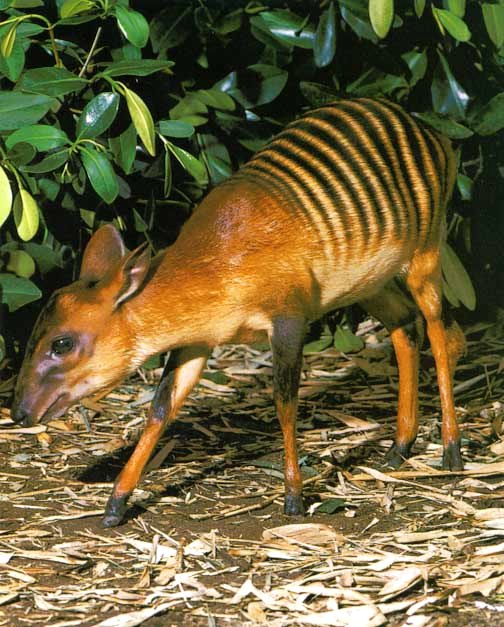
Threatened in Angola



Frequently asked questions
Why is Blue Whale classified as Endangered?
Where does Blue Whale live?
What are the main threats to Blue Whale?
Get weekly conservation intelligence
One short digest a week of the most striking species and country data we ship, plus breaking conservation news paired with our database where it matters.
Free, no spam. One-click unsubscribe in every email.