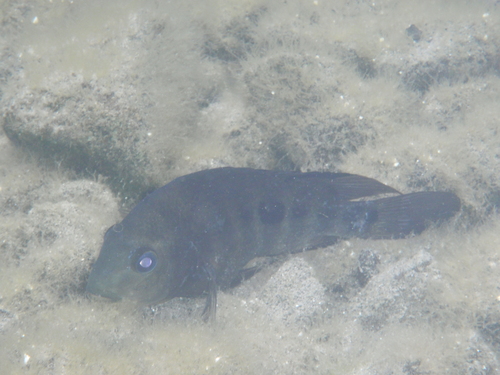
Black Midas Cichlid
Amphilophus astorquii
Photo: Photo: (c) Eric van den Berghe, some rights reserved (CC BY-NC), uploaded by Eric van den Berghe
Overview
Amphilophus astorquii is a critically endangered cichlid fish endemic to Nicaragua's crater lakes. This freshwater species belongs to the Midas cichlid complex, a group known for remarkable adaptive radiation and speciation within isolated volcanic crater lakes. The species exhibits the characteristic robust body plan of Amphilophus cichlids, with specialized feeding adaptations that have evolved in response to the unique ecological conditions of its crater lake environment.
Found exclusively in a single crater lake system, A. astorquii represents one of several endemic cichlid species that have evolved in isolation within these geologically recent aquatic habitats. The species faces severe population decline due to multiple anthropogenic pressures affecting its limited habitat.
Introduction of non-native fish species has created competitive pressure and potential hybridization threats that compromise the genetic integrity of this endemic population. Water quality degradation from agricultural runoff and human settlement around the crater lake has altered the chemical composition and ecological balance of its habitat. The extremely restricted range of A.
astorquii makes it particularly vulnerable to environmental changes, as the entire global population exists within a single water body. Conservation efforts focus on habitat protection and water quality management, though the species' critical status reflects the ongoing challenges in preserving crater lake ecosystems. Research continues into the evolutionary biology and ecological requirements of this species to inform targeted conservation strategies.
Amphilophus astorquii faces severe threats from introduced non-native fish species that compete for resources and may hybridize with native populations. Water quality degradation from agricultural runoff and human activities around the crater lake has altered the species' habitat conditions.
Habitat
This species inhabits the waters of a single volcanic crater lake in Nicaragua. The crater lake environment provides unique ecological conditions with specific water chemistry and temperature characteristics that have shaped the evolution of this endemic cichlid.
Conservation measures underway
Other threatened species in CICHLIDAE

Threatened in Nicaragua

Frequently asked questions
Why is Black Midas Cichlid classified as Critically Endangered?
Where does Black Midas Cichlid live?
What are the main threats to Black Midas Cichlid?
Get weekly conservation intelligence
One short digest a week of the most striking species and country data we ship, plus breaking conservation news paired with our database where it matters.
Free, no spam. One-click unsubscribe in every email.