
Bahama Nuthatch
Sitta insularis
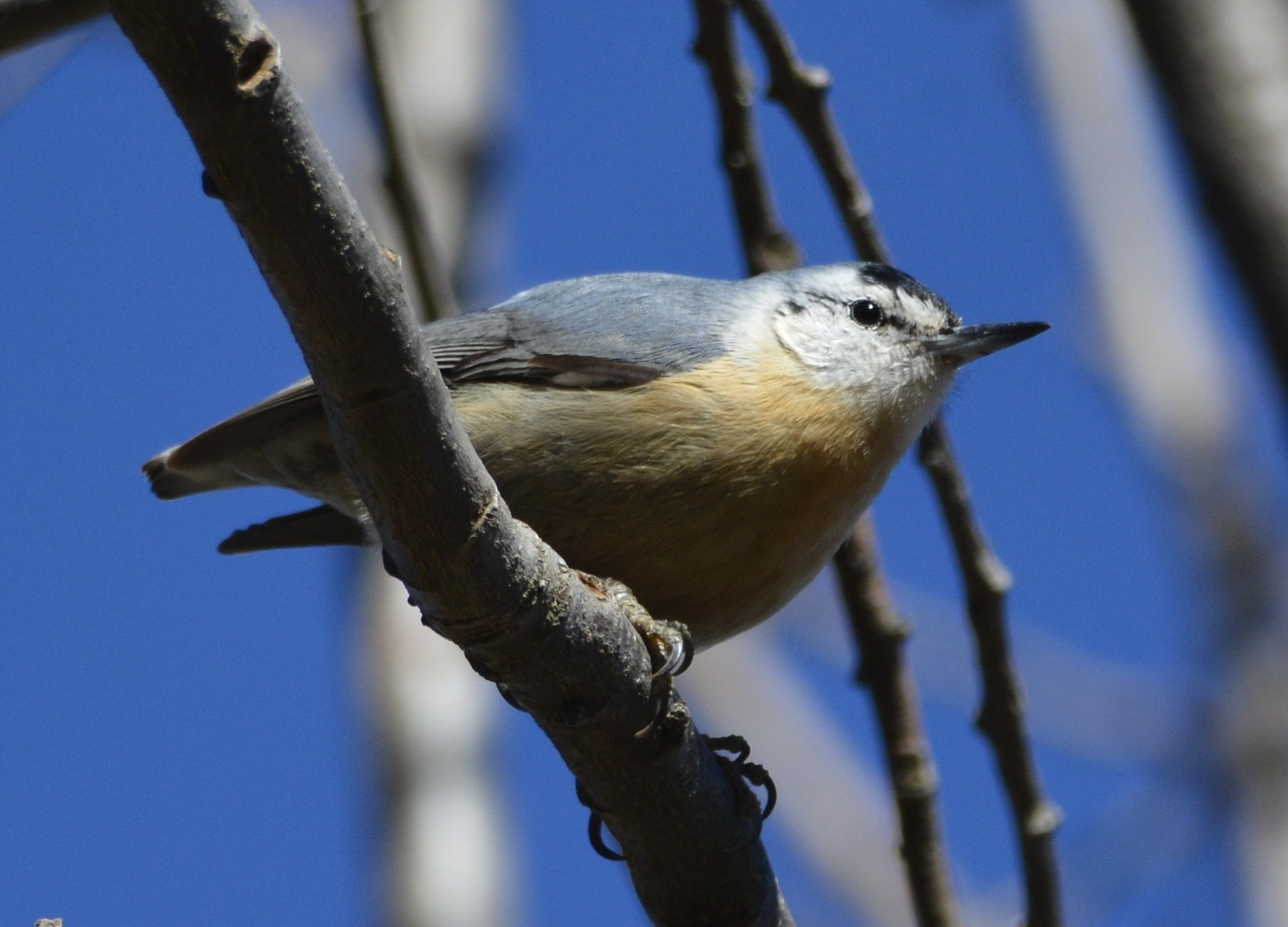
Photo: Photo: Wikimedia Commons, CC BY-SA
Overview
Sitta insularis, commonly known as the Corsican Nuthatch, is a small passerine bird endemic to the mountainous forests of Corsica. This distinctive nuthatch measures approximately 12 centimeters in length and displays the characteristic blue-grey upperparts and white underparts typical of its family, though it can be distinguished from its mainland relatives by its distinctive black eyestripe and white supercilium. The species inhabits mature Corsican pine (Pinus nigra laricio) forests at elevations between 800 and 1,800 meters, where it forages along tree trunks and branches in the typical head-down manner of nuthatches, searching for insects, larvae, and pine seeds.
Its behavior includes the characteristic habit of wedging nuts and seeds into bark crevices to hammer them open with its strong, pointed bill. The Corsican Nuthatch is classified as Critically Endangered by the IUCN, reflecting its extremely restricted range and small population size. The species faces significant challenges from habitat degradation, forest fires, and climate change impacts on its specialized montane ecosystem.
However, recent conservation efforts have shown promise, including habitat restoration projects within Corsica's protected areas and ongoing population monitoring programs that have helped stabilize some local populations. The species' strong site fidelity and specialized ecological niche make it particularly vulnerable to environmental changes, yet its presence serves as an important indicator of healthy Corsican pine forest ecosystems.
The primary threats to Sitta insularis stem from its extreme habitat specialization and limited geographic range confined to Corsica's montane pine forests. Forest fires pose an acute threat, with several significant blazes in recent decades destroying critical breeding habitat and fragmenting the already small population. Climate change compounds these pressures by altering the composition and elevation range of suitable Corsican pine forests, while tourism development and infrastructure expansion continue to encroach upon remaining pristine habitat areas.
Habitat
Sitta insularis occupies mature Corsican pine forests at elevations between 800 and 1,800 meters, showing strong preference for old-growth stands with large trees and complex canopy structure. The species requires dense forest cover with minimal human disturbance, typically favoring north-facing slopes where moisture retention supports the healthiest pine ecosystems.
Conservation measures underway
Other threatened species in SITTIDAE


Threatened in Bahamas


Frequently asked questions
Why is Bahama Nuthatch classified as Critically Endangered?
Where does Bahama Nuthatch live?
What are the main threats to Bahama Nuthatch?
Get weekly conservation intelligence
One short digest a week of the most striking species and country data we ship, plus breaking conservation news paired with our database where it matters.
Free, no spam. One-click unsubscribe in every email.