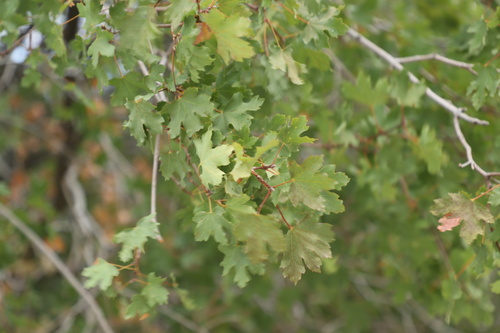
Acer undulatum
Photo: Photo: (c) Doğukan Doğancı, all rights reserved, uploaded by Doğukan Doğancı
Overview
A detailed profile for this species is sourced from the IUCN Red List of Threatened Species as assessments become available.
Acer undulatum, a maple restricted to fragmented montane woodland populations, faces mounting pressure from land conversion for agriculture and grazing within its narrow native range. Small, isolated subpopulations limit natural regeneration and gene flow, making the species highly vulnerable to localized disturbances such as logging and fuelwood collection. Its Critically Endangered status reflects both the severity of ongoing habitat degradation and the restricted number of mature individuals remaining in the wild.
Habitat
This maple occupies mixed montane and submontane woodlands, typically on rocky slopes and ravines within a limited geographic range where suitable forest cover persists.
Conservation measures underway
Other threatened species in SAPINDACEAE
Threatened in Türkiye

Frequently asked questions
Why is Acer undulatum classified as Critically Endangered?
Where does Acer undulatum live?
What are the main threats to Acer undulatum?
Get weekly conservation intelligence
One short digest a week of the most striking species and country data we ship, plus breaking conservation news paired with our database where it matters.
Free, no spam. One-click unsubscribe in every email.