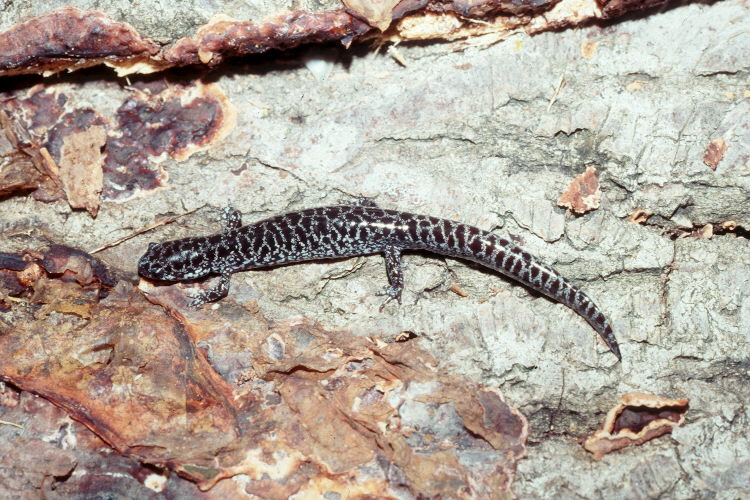
Ambystoma mexicanum
CRCritically Endangered

Ambystoma mexicanum

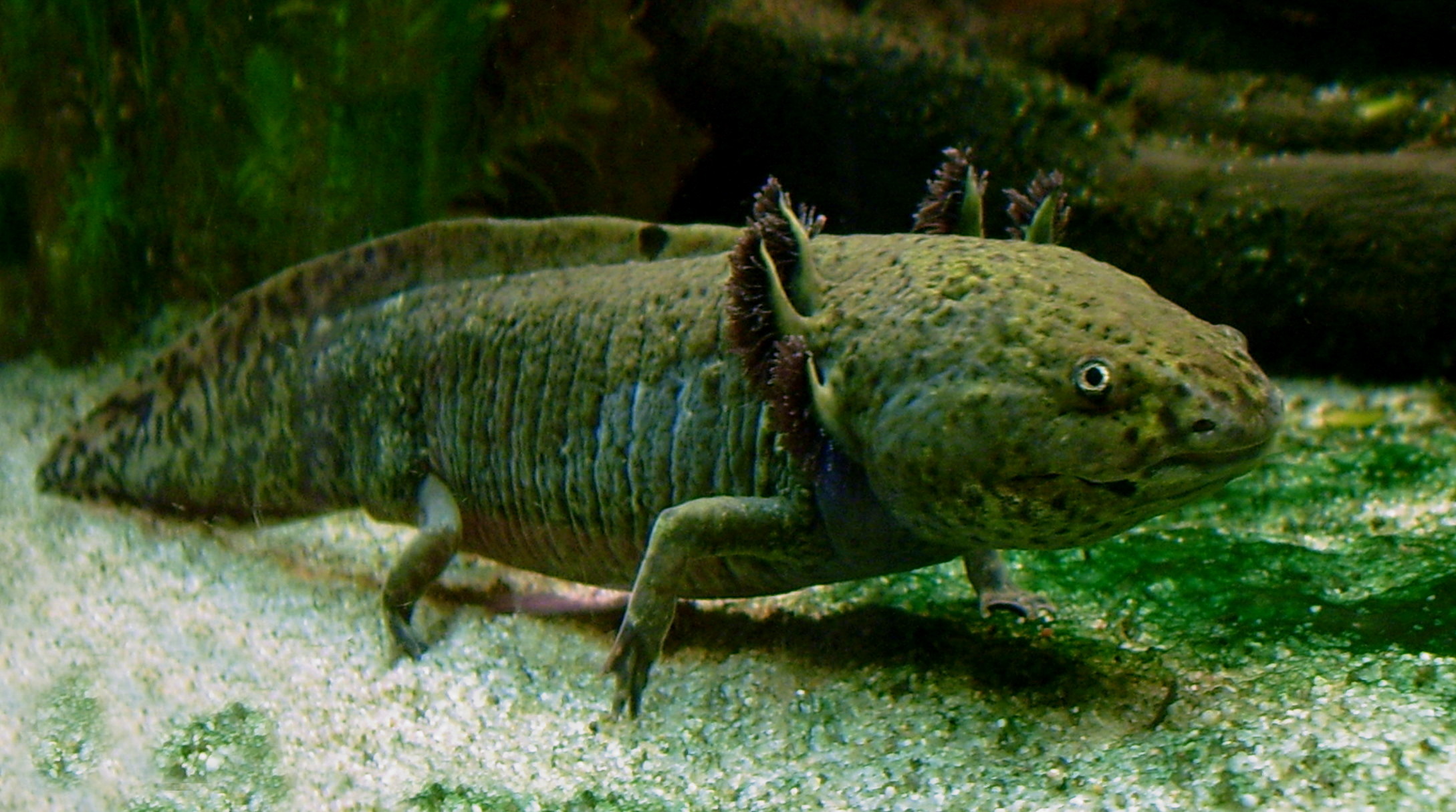
**Axolotl (Ambystoma mexicanum)** The axolotl is a permanently aquatic salamander measuring 15-45 cm in length, characterized by its distinctive external gills, lidless eyes, and four limbs. Unlike most amphibians, axolotls retain juvenile features throughout their lives through neoteny.

Decreasing

Population trend

1

Countries

Photo: Wikimedia Commons (CC) via https://en.wikipedia.org/wiki/Axolotl

01Classification

Taxonomy & Classification

Kingdom

ANIMALIA

Phylum

CHORDATA

Class

AMPHIBIA

Order

CAUDATA

Family

AMBYSTOMATIDAE

Genus

Ambystoma

Ambystoma mexicanum belongs to the family AMBYSTOMATIDAE, order CAUDATA, within the AMPHIBIA class.

02Description

Species Profile

**Axolotl (Ambystoma mexicanum)** The axolotl is a permanently aquatic salamander measuring 15-45 cm in length, characterized by its distinctive external gills, lidless eyes, and four limbs. Unlike most amphibians, axolotls retain juvenile features throughout their lives through neoteny. They exhibit remarkable regenerative abilities, capable of regrowing entire limbs, organs, and parts of their brain. As carnivorous predators, axolotls feed on worms, insects, crustaceans, and small fish, playing a crucial role in their aquatic ecosystem's food web. Historically endemic to the lake system of the Valley of Mexico, wild axolotls now survive only in remnant canals of Xochimilco and Chalco near Mexico City. They inhabit shallow freshwater environments with dense vegetation, muddy substrates, and stable temperatures. The species faces severe threats from habitat destruction due to urbanization and agricultural expansion. Water pollution from Mexico City's runoff introduces harmful chemicals and reduces water quality. Invasive species, particularly carp and tilapia, compete for resources and prey on axolotl eggs and juveniles. Water extraction for human use has dramatically reduced their habitat area and altered water levels. Conservation efforts include habitat restoration projects in Xochimilco, captive breeding programs in Mexican institutions, and research initiatives studying their unique biology. The species is protected under Mexican law, and international breeding programs maintain genetic diversity in laboratory populations. The current outlook remains precarious. While extensive captive populations exist worldwide for research purposes, wild populations continue declining. Without significant habitat protection and restoration, the axolotl faces potential extinction in its natural environment within decades.

Based on the threat data provided, the specific threats facing the Axolotl have not been formally assessed or documented in this dataset. Without a proper threat assessment, it's impossible to determine whether the dangers to this species are getting worse, staying the same, or improving over time.

Key Facts

IUCN StatusCritically Endangered (CR)
TrendDecreasing
GroupAmphibians
03Habitat

Habitat & Distribution

Wetlands (inland)Major
04Threats

Threats

!

IUCN Red List: Critically Endangered

Based on the threat data provided, the specific threats facing the Axolotl have not been formally assessed or documented in this dataset. Without a proper threat assessment, it's impossible to determine whether the dangers to this species are getting worse, staying the same, or improving over time.

Dams & water management/use

Ongoing

Housing & urban areas

Ongoing

Hunting & trapping terrestrial animals

Ongoing

Intentional use: hunting/trapping

Ongoing

Invasive non-native/alien species/diseases

Ongoing

Problematic native species/diseases

Ongoing

Type Unknown/Unrecorded (pollution)

Ongoing
05Conservation

Conservation Actions

Site/area protection
Site/area management
Habitat & natural process restoration
Species management
Species recovery
Species reintroduction
Awareness & communications
Legislation
06Range

Found in 1 Country

Community

Community Sightings

Report a sighting

No community sightings yet. Be the first to report!

07Sources

Sources & Attribution

How to Cite

IUCN: IUCN (2025). The IUCN Red List of Threatened Species. Version 2025-1. Available at: https://www.iucnredlist.org. doi:10.2305/IUCN.UK.2025-1.RLTS

GBIF: GBIF.org (2025). GBIF Home Page. Available at: https://www.gbif.org

This page: SpeciesRadar (2025). Ambystoma mexicanum (Ambystoma mexicanum). SpeciesRadar: Intelligence for Earth's Biodiversity. Available at: https://speciesradar.org/species/axolotl

Full citation guide & data usage terms