Strident Squeaker
Arthroleptis stridens
Overview
The Strident Squeaker (Arthroleptis stridens) is a small terrestrial frog belonging to the family Arthroleptidae, known for its high-pitched, insect-like call from which its common name derives. Endemic to a highly restricted range in the Amathole Mountains of the Eastern Cape, South Africa, this species is confined to montane forest and grassland habitats at high elevation, typically associated with moist leaf litter, seepage zones, and dense understory vegetation where it forages for small invertebrates. As a direct-developing frog, it bypasses the free-living tadpole stage, laying eggs in damp terrestrial nests rather than open water, making it especially reliant on continuous ground moisture and undisturbed forest floor conditions.
The Strident Squeaker is classified as Critically Endangered (CR) by the IUCN, reflecting its extremely limited extent of occurrence, ongoing habitat degradation, and the fragmented nature of the remaining populations across its mountain range. Commercial timber plantations, agricultural expansion, and altered fire regimes in the Amathole region have progressively reduced and isolated suitable habitat patches, while climate-driven shifts in montane moisture regimes pose an additional long-term risk to a species already restricted to narrow environmental conditions. Population trend data remain unknown, underscoring the pressing need for dedicated field surveys to establish baseline numbers and monitor change over time.
On a more encouraging note, portions of the Amathole Mountains fall within formally protected forestry reserves and conservation areas, offering a foundation for targeted habitat management, and increased regional interest in South African amphibian conservation has brought greater attention to range-restricted Eastern Cape endemics like this one. Continued protection of remaining indigenous forest fragments, combined with restoration of degraded habitat corridors, offers a realistic pathway to stabilizing this species' future.
Arthroleptis stridens faces severe population decline primarily due to habitat destruction from agricultural expansion and logging activities in its montane forest range. The species' extremely restricted distribution makes it particularly vulnerable to localized threats, with deforestation fragmenting the remaining suitable habitat patches. Climate change poses an additional threat by altering the cool, moist conditions essential for this montane specialist's survival.
Habitat
This species inhabits montane forests at elevations between 1,800-2,400 meters, requiring cool, moist conditions with dense canopy cover. It is typically found in leaf litter and low vegetation within primary and secondary forest environments in the Eastern Arc Mountains of Tanzania.
Conservation measures underway
Other threatened species in ARTHROLEPTIDAE
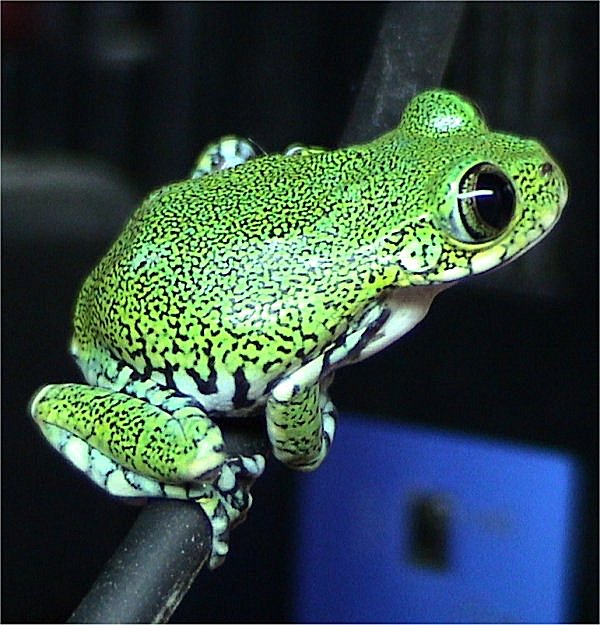

Threatened in Tanzania
Frequently asked questions
Why is Strident Squeaker classified as Critically Endangered?
Where does Strident Squeaker live?
What are the main threats to Strident Squeaker?
Get weekly conservation intelligence
One short digest a week of the most striking species and country data we ship, plus breaking conservation news paired with our database where it matters.
Free, no spam. One-click unsubscribe in every email.