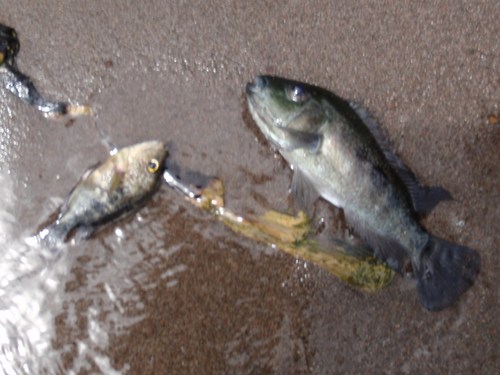
Amphilophus zaliosus
Photo: Photo: (c) Eric van den Berghe, some rights reserved (CC BY-NC), uploaded by Eric van den Berghe
Overview
Amphilophus zaliosus is a critically endangered cichlid fish endemic to the crater lakes of Nicaragua, representing one of the most remarkable examples of rapid evolutionary diversification in freshwater environments. This robust cichlid displays the characteristic deep body and pronounced lips typical of its genus, with males developing more intense coloration during breeding periods. The species exhibits specialized feeding behaviors adapted to its unique volcanic lake habitat, where it occupies specific ecological niches that have evolved in isolation over thousands of years.
Found exclusively in the Apoyo and Masaya crater lakes, this fish inhabits the rocky littoral zones and deeper waters of these ancient volcanic formations, which provide stable thermal conditions year-round. The species demonstrates complex social behaviors including territorial defense and elaborate courtship rituals, contributing to the rich behavioral diversity that makes Nicaraguan crater lake cichlids a focal point for evolutionary research. Classified as Critically Endangered by the IUCN, Amphilophus zaliosus faces severe population declines due to its extremely restricted range and mounting environmental pressures.
The species' limited distribution makes it particularly vulnerable to localized threats, with populations showing continued decline across its narrow habitat range. Conservation efforts have gained momentum through international research collaborations studying the crater lake ecosystem, and local awareness programs are beginning to highlight the global significance of these unique evolutionary laboratories, offering hope for protecting this remarkable fish and its equally threatened relatives.
The primary threat to Amphilophus zaliosus stems from the introduction of non-native tilapia species into its crater lake habitat, which compete directly for resources and potentially hybridize with native cichlids. Water quality degradation from agricultural runoff and urban development around the crater lakes has altered the delicate chemical balance these fish require. Tourism pressure and recreational activities in the lakes create additional disturbance to critical breeding and feeding areas, while the species' extremely limited range means any localized impact can affect the entire global population.
Habitat
Amphilophus zaliosus inhabits the pristine crater lakes of Nicaragua, specifically Lakes Apoyo and Masaya, which formed in ancient volcanic calderas. These thermally stable, alkaline lakes provide unique rocky substrates and clear waters that support the complex cichlid communities found nowhere else on Earth.
Conservation measures underway
Other threatened species in CICHLIDAE

Threatened in Nicaragua

Frequently asked questions
Why is Amphilophus zaliosus classified as Critically Endangered?
Where does Amphilophus zaliosus live?
What are the main threats to Amphilophus zaliosus?
Get weekly conservation intelligence
One short digest a week of the most striking species and country data we ship, plus breaking conservation news paired with our database where it matters.
Free, no spam. One-click unsubscribe in every email.