EN

Ardisia colonensis

Unknown

Overview

A detailed profile for this species is sourced from the IUCN Red List of Threatened Species as assessments become available.

Ardisia colonensis faces severe pressure from deforestation and agricultural expansion across its limited range in Central America. The species' restricted distribution makes it particularly vulnerable to habitat fragmentation, while selective logging of mature forest trees eliminates the canopy structure essential for its understory growth. Climate change poses an additional threat by altering the humid microclimate conditions this endemic species requires for survival.

Threat summary

Habitat

This endemic shrub inhabits the understory of humid lowland and premontane forests, typically growing in shaded areas beneath mature canopy trees. It requires consistent moisture levels and is found primarily in undisturbed primary forest ecosystems between 200-800 meters elevation.
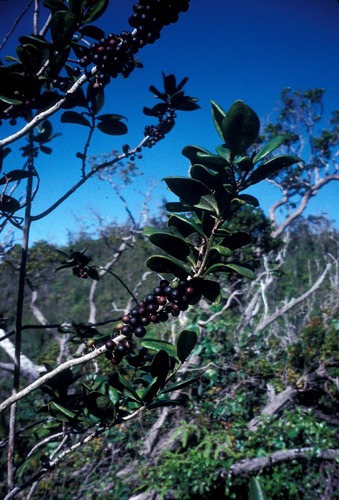
Forest· major

Frequently asked questions

Why is Ardisia colonensis classified as Endangered?
Ardisia colonensis is classified as Endangered — facing a very high risk of extinction in the wild — because population numbers are declining steeply and key habitats are under sustained pressure. Ardisia colonensis faces severe pressure from deforestation and agricultural expansion across its limited range in Central America. The species' restricted distribution makes it particularly vulnerable to habitat fragmentation, while selective logging of mature forest trees eliminates the canopy structure essential for its understory growth. Climate change poses an additional threat by altering the humid microclimate conditions this endemic species requires for survival.
Where does Ardisia colonensis live?
Ardisia colonensis occurs in across multiple regions. Country-level distribution data is sourced from the IUCN Red List and cross-referenced with GBIF occurrences.
What are the main threats to Ardisia colonensis?
The main threats to Ardisia colonensis are ai-1, ai-2, ai-3, and ai-4. The full IUCN-classified threat record for this species is detailed on the species page.

Get weekly conservation intelligence

One short digest a week of the most striking species and country data we ship, plus breaking conservation news paired with our database where it matters.

Free, no spam. One-click unsubscribe in every email.