Allseed
Radiola linoides
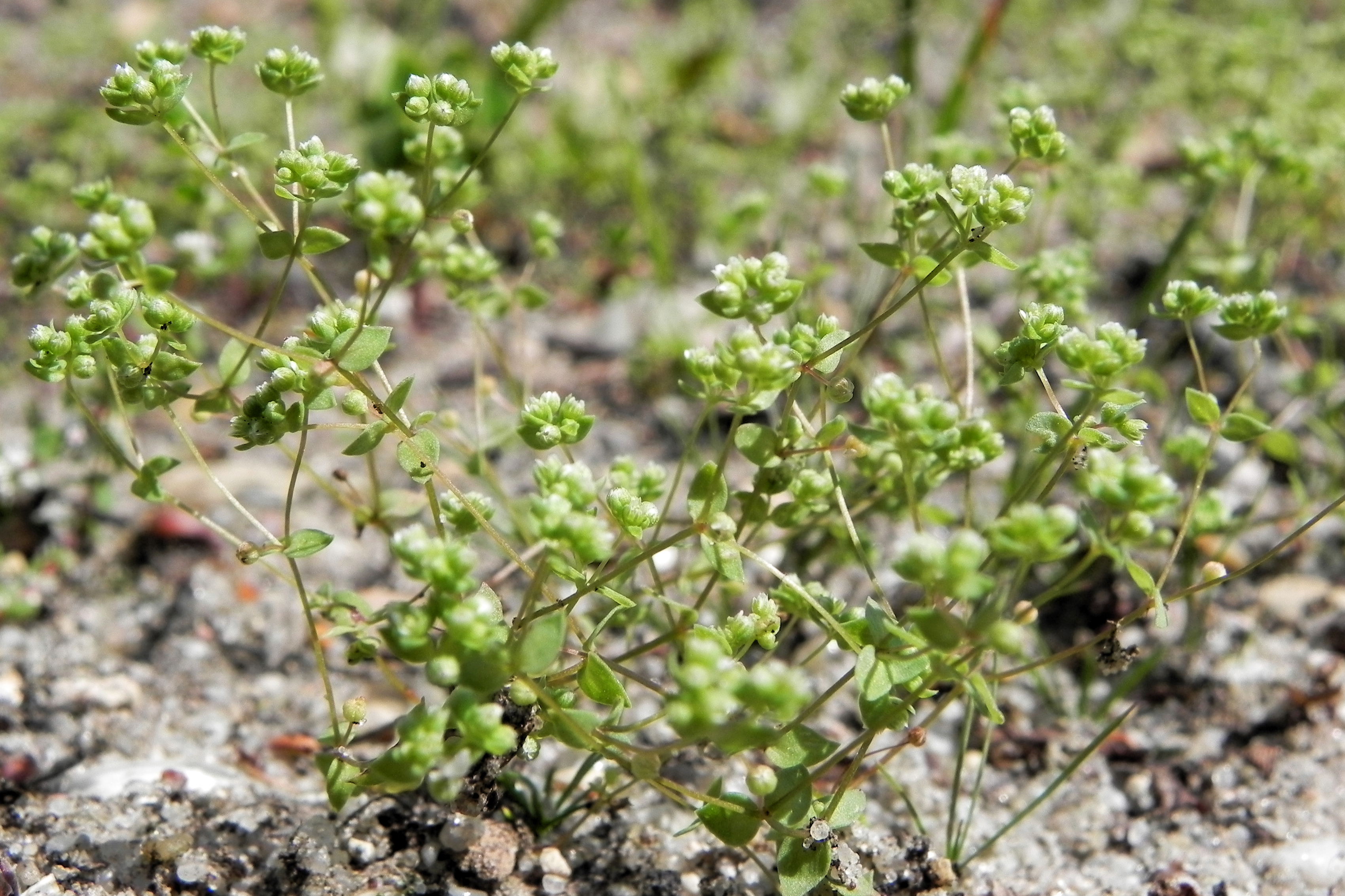
Photo: Wikimedia Commons (CC) via https://en.wikipedia.org/wiki/Radiola_linoides
Overview
Radiola linoides is the sole species in the Radiola genus, a monotypic genus of flowering plants belonging to the family Linaceae. It has the common names of 'allseed' and 'flaxseed'. It has a very short stem which is repeatedly subdivided, with a pair of very small leaves and a single white flower at each fork and at the end of the branches. It has leaves which are opposite arranged, oval and sessile.
Allseed (Radiola linoides) is declining primarily due to habitat loss and degradation of its specialized wetland environments. The species is particularly vulnerable to changes in hydrology, agricultural intensification, and development pressure on the temporary pools and damp sandy areas it requires for reproduction.
Habitat
Radiola linoides on the shore of a pond, Jihočeský kraj, Czech Republic
Other threatened species in Linaceae

Frequently asked questions
Why is Allseed classified as Endangered?
Where does Allseed live?
What are the main threats to Allseed?
Get weekly conservation intelligence
One short digest a week of the most striking species and country data we ship, plus breaking conservation news paired with our database where it matters.
Free, no spam. One-click unsubscribe in every email.