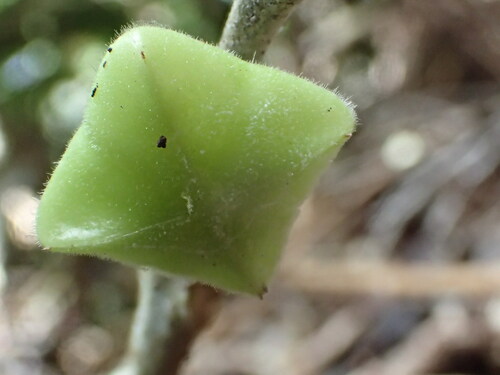
Melicope nealae
Photo: Photo: (c) Kenneth R. Wood (NTBG), some rights reserved (CC BY-NC), uploaded by Kenneth R. Wood (NTBG)
Overview
Melicope nealae is a rare endemic shrub or small tree belonging to the citrus family (Rutaceae) found exclusively in the Hawaiian Islands. This critically endangered species typically grows 2-4 meters tall with compound leaves arranged in groups of three leaflets, characteristic of the Melicope genus. The leaves are glossy green with prominent veining, and the plant produces small, inconspicuous white to greenish flowers that develop into small capsular fruits.
Melicope nealae inhabits native Hawaiian dry to mesic forests, typically occurring on volcanic slopes and ridges at elevations between 300-800 meters. The species shows a preference for well-drained soils in areas that receive moderate rainfall, often growing alongside other native Hawaiian plants such as koa and ohia trees. Historically distributed across multiple Hawaiian islands, current populations are severely fragmented and restricted to small, isolated patches of remaining native habitat.
The species exhibits slow growth rates and limited reproductive success, making population recovery particularly challenging. As classified by the International Union for Conservation of Nature, Melicope nealae is listed as Critically Endangered, indicating an extremely high risk of extinction in the wild. The remaining individuals face ongoing pressure from habitat degradation, but dedicated conservation efforts by Hawaiian botanical institutions and the state's Plant Extinction Prevention Program have established protective measures around known populations.
Recent propagation successes in botanical gardens offer hope for future restoration efforts, with seedlings being carefully cultivated for potential reintroduction to suitable protected habitats.
Melicope nealae faces severe population decline primarily due to habitat destruction from urban development and agricultural conversion of native Hawaiian dry forests. Invasive plant species, particularly fountain grass and Christmas berry, aggressively compete with remaining individuals and alter the natural ecosystem dynamics essential for the species' survival. Feral ungulates, especially pigs and goats, cause significant damage through trampling, browsing, and soil disturbance around the limited remaining populations. Climate change compounds these pressures by altering precipitation patterns in the already vulnerable dry forest ecosystems where this species persists.
Habitat
Melicope nealae occurs in native Hawaiian dry to mesic forests on volcanic slopes and ridges, typically at elevations of 300-800 meters where it grows in well-drained soils. The species thrives in areas receiving moderate rainfall within the native forest canopy alongside indigenous trees such as koa and ohia.
Conservation measures underway
Other threatened species in RUTACEAE
Frequently asked questions
Why is Melicope nealae classified as Critically Endangered?
Where does Melicope nealae live?
What are the main threats to Melicope nealae?
Get weekly conservation intelligence
One short digest a week of the most striking species and country data we ship, plus breaking conservation news paired with our database where it matters.
Free, no spam. One-click unsubscribe in every email.