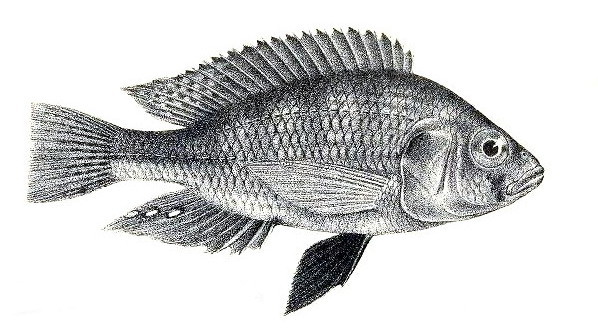
Haplochromis victorianus
Photo: Wikimedia Commons (CC) via https://en.wikipedia.org/wiki/Haplochromis_victorianus
Overview
Haplochromis victorianus is a species of cichlid endemic to Lake Victoria. It is critically endangered, though it may now be extinct. This species reaches a length of 16.6 centimetres (6.5 in) SL.
Haplochromis victorianus faces severe threats from the introduction of Nile perch (Lates niloticus) into Lake Victoria, which has caused dramatic population declines through predation and competition. Eutrophication from agricultural runoff and sewage has degraded water quality and reduced oxygen levels in the lake's deeper waters where this species historically occurred. Overfishing and destructive fishing practices have further reduced population numbers, while habitat modification from shoreline development has eliminated critical breeding and feeding areas.
Habitat
Haplochromis victorianus is endemic to Lake Victoria in East Africa, where it inhabits rocky shores and deeper waters with sandy or muddy substrates. This cichlid species typically occurs in areas with moderate to high oxygen levels and feeds in both benthic and pelagic zones of the lake.
Conservation measures underway
Other threatened species in CICHLIDAE

Threatened in Kenya
Frequently asked questions
Why is Haplochromis victorianus classified as Critically Endangered?
Where does Haplochromis victorianus live?
What are the main threats to Haplochromis victorianus?
Get weekly conservation intelligence
One short digest a week of the most striking species and country data we ship, plus breaking conservation news paired with our database where it matters.
Free, no spam. One-click unsubscribe in every email.