Right Whale: 23 Calves Spark Cautious Hope
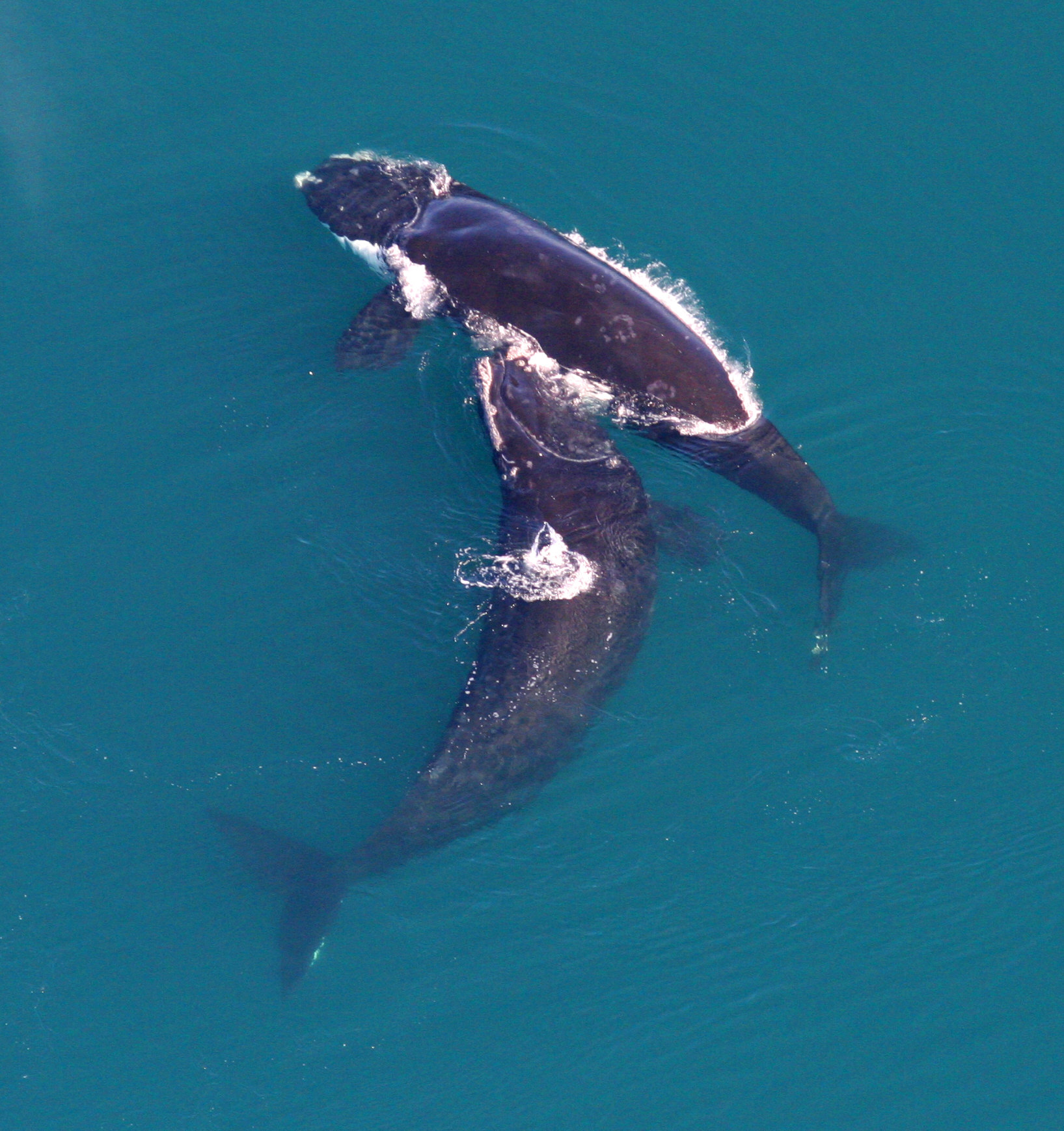
A Rare Bright Spot for a Critically Endangered Whale
For a species teetering on the edge of extinction, the numbers coming out of this year's calving season carry outsized weight. NOAA Fisheries reported 23 new North Atlantic right whale calves this season — the highest calf count since 2009 — as part of a roundup of good news stories published for Endangered Species Day 2026. The agency framed the surge as a sign of improving reproductive health among the species' remaining breeding females, a group that has struggled for more than a decade to produce enough calves to offset losses from ship strikes and fishing gear entanglements.
The North Atlantic right whale (Eubalaena glacialis) is listed as Critically Endangered on the IUCN Red List, with fewer than 340 individuals estimated to remain. That population size makes every calving season a closely watched barometer of the species' trajectory — and for much of the 2010s and early 2020s, the trend line was grim, with several years producing fewer than 10 calves total. A jump to 23 births in a single season represents a meaningful, if still fragile, uptick.

Why This Season Stands Out
Right whale researchers track calving numbers each winter along the species' primary birthing grounds off the southeastern United States, from Florida to North Carolina. A strong season doesn't just mean more calves being born — it also reflects whether adult females are healthy enough to carry pregnancies to term, something that has been undermined in recent years by chronic entanglement injuries, poor body condition, and stress from constantly dodging vessel traffic. According to NOAA's reporting, this season's calf count is being read as an encouraging signal that at least some portion of the breeding population is regaining the physical condition needed to reproduce successfully.
Details on the full breakdown of this season's births are available in NOAA Fisheries' original feature, which compiled the calving update alongside other conservation milestones for Endangered Species Day.
What This Means for the Species
One good season does not undo years of decline, and scientists studying the species have been careful not to overstate the recovery. The underlying threats that have driven the population's collapse remain largely unchanged. Right whales migrate and feed along a narrow coastal corridor that overlaps heavily with shipping lanes and commercial fishing grounds stretching from Canada to Florida, and collisions with vessels and gear entanglements together account for more than 85% of documented right whale deaths.
Compounding the problem, warming ocean temperatures are shifting the distribution of copepods — the tiny crustaceans that make up the bulk of the right whale diet — pushing whales into areas such as the Gulf of St. Lawrence that historically had fewer protective measures in place. That mismatch between where whales now need to feed and where safeguards exist has repeatedly put animals in the path of ships and gear.
- Ship strikes and entanglement together cause the large majority of known right whale mortalities
- Fewer than 340 individuals are estimated to remain, per the IUCN Red List Critically Endangered assessment
- Climate-driven shifts in prey location are pushing whales into less-protected waters
- A single reproductive female typically calves only once every several years, making each birth statistically significant
- Ongoing vessel speed restrictions and gear modification rules aim to reduce direct mortality risk
The Wider Conservation Picture
The right whale's plight has become one of the most closely monitored conservation stories in North American waters, and it sits alongside a broader set of species profiles tracked on the North Atlantic right whale species page, which lays out the population's Critically Endangered status and the mortality pressures driving it. Unlike some Critically Endangered species that suffer primarily from habitat loss, the right whale's crisis is largely a story of preventable, human-caused deaths occurring in specific, mappable locations — a fact that has shaped decades of regulatory debate over shipping lane adjustments, seasonal speed limits, and modified fishing gear designed to release whales rather than entangle them.

Why Calving Numbers Matter So Much
Because right whales are long-lived, slow to mature, and reproduce infrequently, population models are acutely sensitive to calving trends. A population this small cannot easily absorb even a handful of preventable adult deaths in a given year, since each lost breeding-age female represents years of future calving potential removed from the gene pool. That's part of why a season like this one — with calf numbers nearly matching the best years of the 2000s — draws such attention from researchers and regulators alike, even as they caution that sustained, multi-year increases are what will actually determine whether the species stabilizes.
Outlook
Conservationists tracking the species will be watching closely to see whether this season's calf count reflects a genuine turning point or a one-off rebound. Continued enforcement of vessel speed rules, expanded gear-modification requirements, and monitoring of shifting whale habitat in response to climate change are likely to remain central to any durable recovery. For now, the 23 calves offer a rare, welcome data point in a conservation story that has, for years, delivered mostly bad news.
Frequently Asked Questions
How many North Atlantic right whales are left?
Fewer than 340 individuals are estimated to remain, and the species is classified as Critically Endangered on the IUCN Red List.
Why did this calving season see more births?
NOAA Fisheries attributes the higher calf count to improving reproductive health among some breeding females, though researchers caution that ongoing threats to the population remain unresolved.
What are the biggest threats to right whales?
Ship strikes and entanglement in fishing gear together account for more than 85% of documented right whale deaths, with climate-driven shifts in prey distribution increasingly pushing whales into less-protected waters.
Does one strong calving season mean the species is recovering?
Not on its own. Scientists view sustained increases in calving over multiple years, combined with reduced human-caused mortality, as the real indicators of recovery.
Get weekly conservation intelligence
One short digest a week of the most striking species and country data we ship, plus breaking conservation news paired with our database where it matters.
Free, no spam. One-click unsubscribe in every email.