Painted Terrapin: First Hatchling Sparks Hope
A First-of-Its-Kind Hatch at the National Zoo
A single, palm-sized hatchling has become one of the most quietly significant conservation events of the year. The Smithsonian's National Zoo has announced the birth of its first-ever painted river terrapin, a milestone for a species that many people outside herpetology circles have never heard of — and one that is running out of time in the wild.
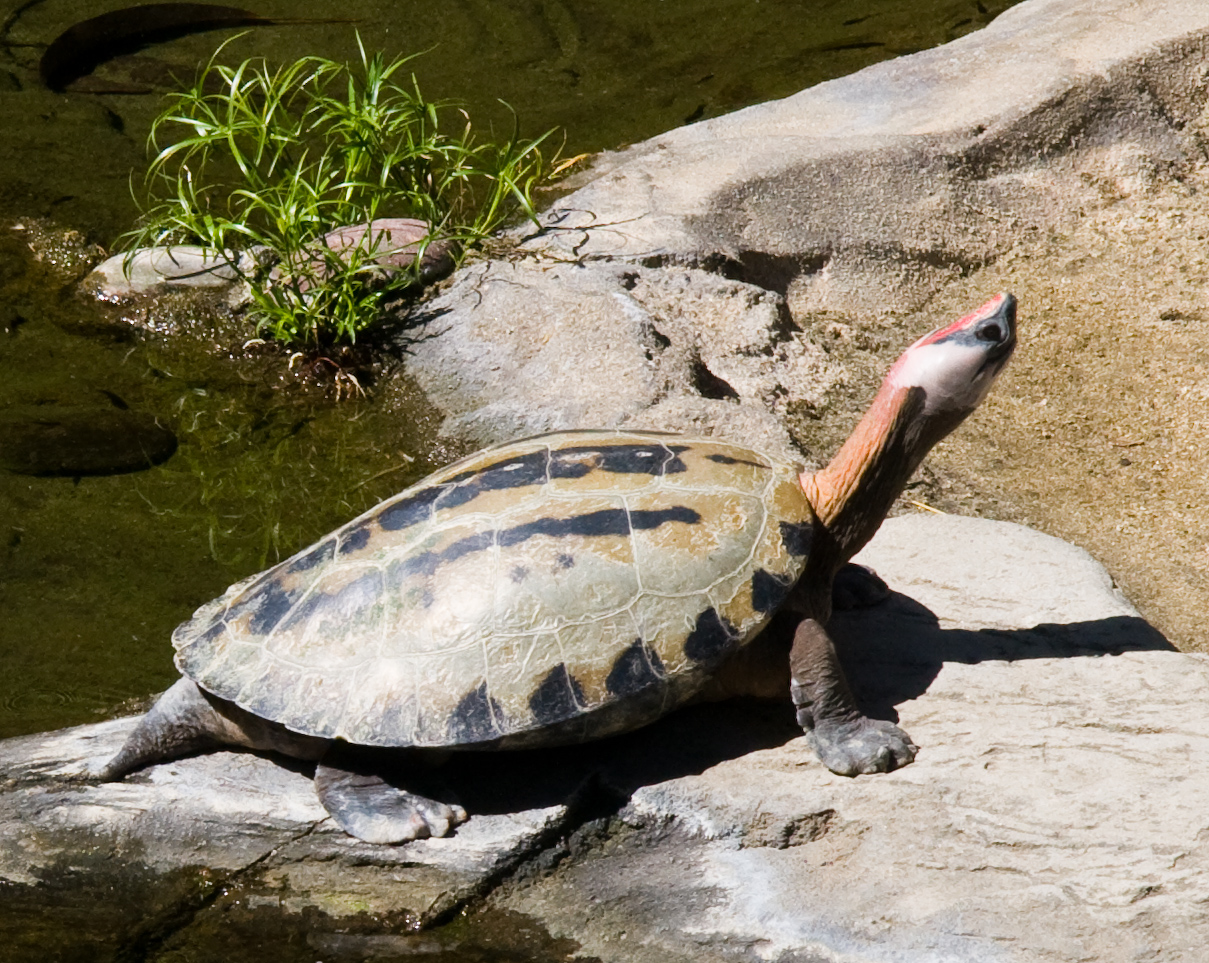
The painted terrapin (Batagur borneoensis), also known by its common name Painted Terrapin, is listed as Critically Endangered on the IUCN Red List. It is a large freshwater turtle native to the rivers, estuaries, and mangrove-lined coastlines of Southeast Asia, including parts of Sumatra, Malaysia, and southern Thailand. Males of the species undergo a striking seasonal transformation during breeding season, their heads flushing white with a crimson stripe down the center — a visual signal that has made them prized, and unfortunately poached, for generations.
According to A-Z Animals, zoo staff describe the hatchling's arrival as a breakthrough moment after years of careful husbandry work aimed at understanding the species' reproductive needs in captivity. Successfully coaxing a Critically Endangered turtle species to breed outside its native range is notoriously difficult, and this event places the National Zoo among a small number of institutions worldwide with direct experience breeding this species.
What This Means for a Species on the Brink
For a species with so few individuals left in its natural range, a single hatchling might sound like a modest development. It isn't. Captive breeding programs serve as insurance populations — genetic reservoirs that can be drawn on for future reintroduction efforts if wild populations continue to decline, and as living laboratories for understanding incubation conditions, nesting behavior, and growth rates that are difficult to study in the wild.
The painted terrapin has been pushed toward the brink primarily by three converging pressures: egg collection for human consumption, habitat loss along the same river systems it depends on for nesting, and incidental capture in fishing gear. Because females only nest on specific sandy riverbanks and beaches, and because those same locations are frequently disturbed by development or harvested by local communities before eggs can hatch, wild recruitment of new turtles has collapsed across much of the species' range.
That makes every successful captive hatch valuable — not as a replacement for wild conservation, but as a parallel safeguard. Zoos and breeding centers, including in-range facilities in Malaysia and Indonesia, have spent years refining incubation temperatures, nesting substrate, and diet to give hatchlings the best possible start. The National Zoo's success suggests that knowledge is transferring effectively between institutions, even continents apart.
A Species Defined by Its Rarity
Understanding why this single hatchling matters requires understanding just how precarious the painted terrapin's situation has become:
- It is classified Critically Endangered by the IUCN Red List, the last category before extinction in the wild.
- Wild nesting beaches have shrunk dramatically due to coastal development, sand mining, and agricultural conversion along Southeast Asian river systems.
- Egg harvesting for local consumption remains one of the species' most persistent threats, often outpacing natural hatching rates.
- Successful captive breeding events remain rare enough globally that each one is documented as a notable conservation milestone.
- The species belongs to the same genus as the equally imperiled southern river terrapin, meaning conservation lessons often apply across related species.
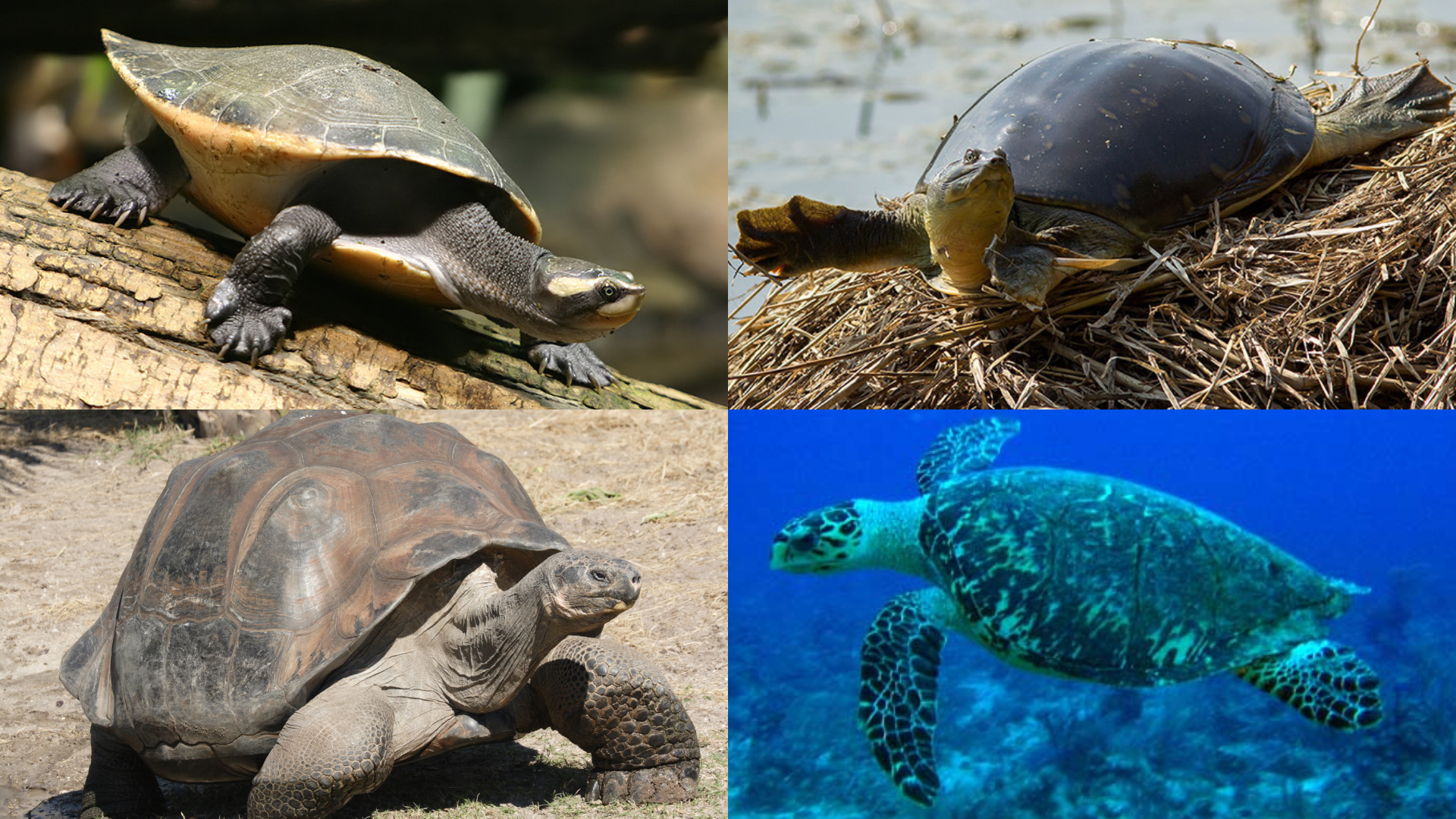
That last point connects to a broader family story. The painted terrapin's relatives, including the three-striped batagur (Batagur dhongoka), face comparable pressures — river habitat degradation, egg poaching, and fragmented populations across South and Southeast Asia. You can read more about that species and its conservation status on its dedicated profile page: three-striped batagur.

The Road Ahead
Zoo officials have not suggested this hatchling alone will reverse the species' trajectory, and outside observers should be cautious about overstating what a single birth accomplishes. But conservation successes of this kind tend to compound. They build institutional expertise, attract funding and public attention to an underappreciated species, and create the biological knowledge base needed for eventual reintroduction programs, should wild habitat protections improve enough to support released individuals.
Regional partners working directly in Sumatra and Malaysia continue to run community-based nest protection programs, relocating threatened clutches to guarded hatcheries and working with local communities to reduce egg collection. Zoos like the National Zoo add a complementary layer: a genetically managed population outside the reach of the immediate threats facing wild terrapins, alongside public education that raises the species' profile far beyond the rivers it calls home.
For now, the newest hatchling remains under close observation as it grows, a small but resilient reminder that even Critically Endangered species can still surprise us with moments of renewal. Explore the full profile and conservation data for Painted Terrapin (CR) on SpeciesRadar.
Frequently Asked Questions
What makes the painted terrapin Critically Endangered?
Habitat loss along nesting rivers, extensive egg harvesting for local consumption, and incidental capture in fishing gear have combined to sharply reduce wild populations, earning the species its IUCN Critically Endangered listing.
Why is a single captive hatchling considered significant?
Breeding this species successfully in captivity is rare and technically demanding. A successful hatch demonstrates replicable husbandry knowledge that can support future breeding efforts and potential reintroduction programs.
Is the painted terrapin related to other threatened turtles?
Yes. It belongs to a group of Asian river terrapins that includes the three-striped batagur, another species facing serious population pressure from habitat degradation and poaching.
What can be done to help painted terrapins in the wild?
Protecting nesting beaches, reducing egg collection through community programs, and preserving mangrove and river habitat are the most direct ways to support wild population recovery alongside captive breeding insurance programs.
Get weekly conservation intelligence
One short digest a week of the most striking species and country data we ship, plus breaking conservation news paired with our database where it matters.
Free, no spam. One-click unsubscribe in every email.