North Atlantic Right Whale: 15 Calves Born
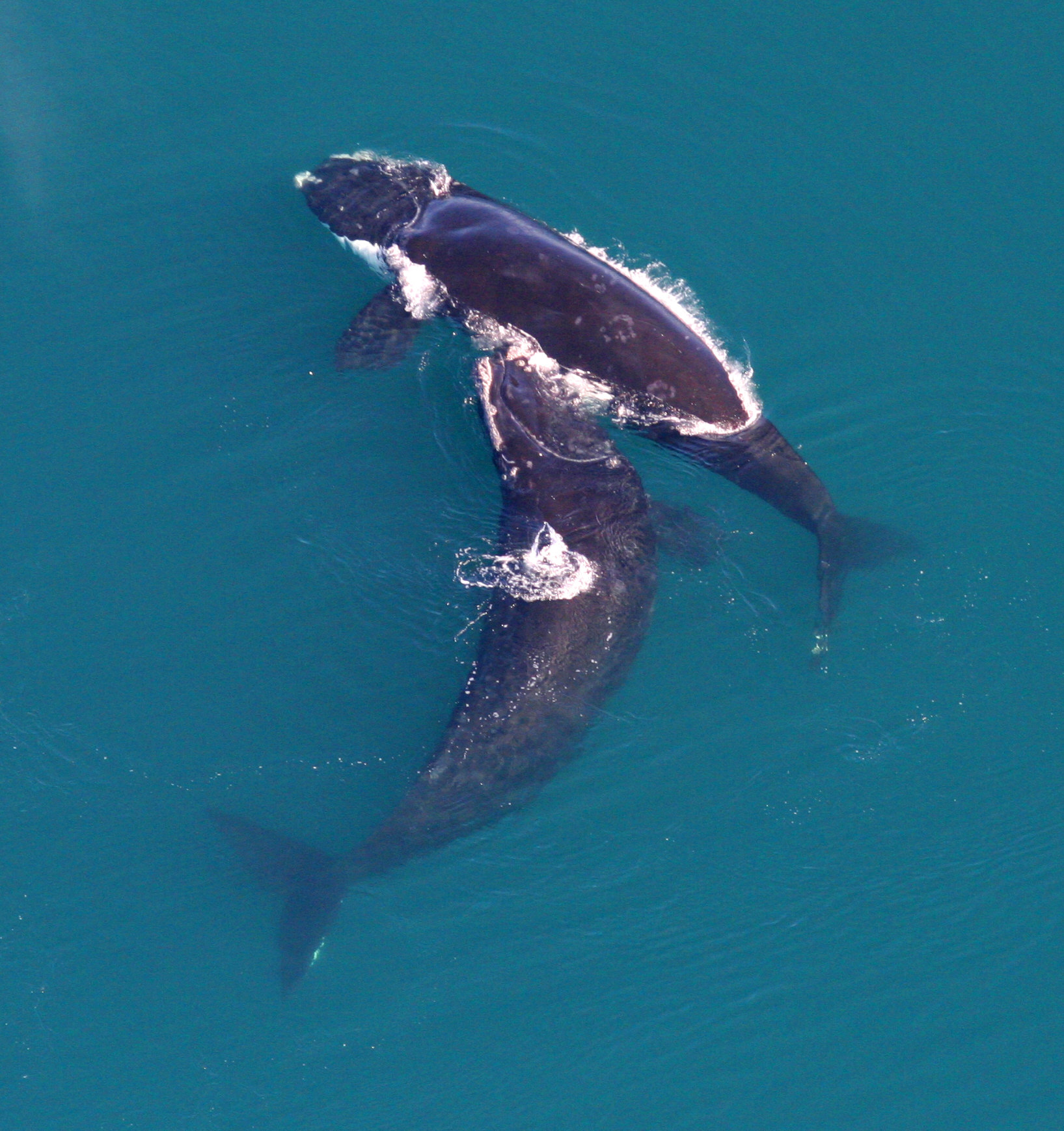
North Atlantic Right Whale: 15 Calves Spark Hope for Critically Endangered Species
Conservation teams have documented 15 North Atlantic right whale calves during the 2026 calving season, marking a significant reproductive milestone for one of the world's most endangered large whale species. This encouraging news comes as the population has grown approximately 7% since 2020, reaching an estimated 384 individuals according to recent surveys highlighted in The Revelator's species outlook.
The North Atlantic right whale (Eubalaena glacialis) remains Critically Endangered on the IUCN Red List, with every new calf representing a crucial step toward species recovery. These marine giants face an extinction crisis that has pushed their population to the brink, making each successful birth a beacon of hope for conservationists worldwide.

What This Breeding Success Means for Recovery
The 15 calves documented in 2026 represent more than just numbers—they symbolize the species' remarkable resilience despite facing overwhelming odds. North Atlantic right whales have one of the slowest reproductive rates among marine mammals, with females typically giving birth only once every three to five years after reaching maturity at around ten years old.
This calving success builds on recent conservation efforts that have focused on reducing the two primary threats: ship strikes and fishing gear entanglement. These anthropogenic dangers account for over 85% of known mortalities among right whales, making human intervention critical for population recovery.
Key Finding: With the population growing from approximately 360 whales in 2020 to 384 in 2026, this 7% increase represents the first sustained growth the species has experienced in over two decades.
Critical Population Milestones
The journey to 384 whales reflects years of intensive conservation work. Research teams track individual whales through photo-identification, monitoring their health, reproductive status, and survival rates. Key factors contributing to this positive trend include:
- Enhanced vessel speed restrictions in critical habitats
- Modified fishing gear requirements to reduce entanglement risk
- Improved coordination between shipping industries and conservation groups
- Climate adaptation strategies as prey distribution shifts northward
The Ongoing Extinction Crisis
Despite this encouraging news, North Atlantic right whales continue to face an uncertain future. The species' coastal feeding and migration routes overlap extensively with major shipping lanes and dense fishing areas along the eastern North American seaboard, from Georgia's calving grounds to summer feeding areas in the Gulf of Maine and Canadian waters.
Climate-driven changes have forced whales into new areas with less regulatory protection, increasing their exposure to deadly threats. As ocean temperatures rise, the whales' primary prey—tiny copepods—are shifting their distribution patterns, compelling the whales to follow food sources into previously unfamiliar waters.

The Mathematics of Survival
With fewer than 400 individuals remaining, every preventable death significantly impacts the population's long-term viability. Genetic diversity concerns mount as the breeding population remains small, with scientists estimating that only about 100 reproductively active females contribute to the gene pool.
The species requires sustained population growth of at least 2% annually to achieve long-term recovery goals. While the recent 7% growth over six years represents progress, maintaining this trajectory demands continued vigilance and expanded conservation measures.
Conservation Strategies Moving Forward
The success of the 2026 calving season demonstrates that targeted conservation efforts can yield measurable results. However, protecting these whales requires ongoing collaboration between multiple stakeholders, including shipping companies, fishing industries, government agencies, and research institutions.
Recent technological advances offer new hope for coexistence. Real-time whale detection systems help vessels avoid collision risks, while innovative fishing gear designs aim to reduce entanglement without compromising fishing operations. These solutions represent critical steps toward ensuring that shipping and fishing can continue while protecting whale populations.
Regional Protection Efforts
Conservation efforts span the whales' entire range, from calving grounds off Florida and Georgia to feeding areas in New England and Atlantic Canada. International cooperation has become essential as whales cross national boundaries during their annual migrations.
Protected area expansions and seasonal fishing closures have shown promise in reducing mortality rates. However, the effectiveness of these measures depends on consistent enforcement and adaptive management as whale distribution patterns continue to evolve with changing ocean conditions.
Looking Toward 2027 and Beyond
The 15 calves born in 2026 face a challenging journey to adulthood, with high juvenile mortality rates threatening their survival prospects. Only about 75% of calves typically survive their first year, making ongoing protection efforts crucial during these vulnerable early months.
Scientists will continue monitoring these young whales as they learn essential behaviors from their mothers, including navigation routes, feeding techniques, and threat avoidance. The success of this cohort will provide valuable insights into the species' adaptive capacity and inform future conservation strategies.
As climate change continues altering ocean ecosystems, conservation approaches must remain flexible and responsive to new challenges. The positive momentum from 2026's breeding success offers hope, but sustained recovery will require decades of dedicated protection efforts.
Methodology: Data sourced from SpeciesRadar (speciesradar.org), drawing on IUCN Red List 2025-2, GBIF, and national red list assessments from the United States and Canada.
Frequently Asked Questions
How many North Atlantic right whales exist today?
Current estimates place the population at approximately 384 individuals, representing a 7% increase from around 360 whales in 2020. This makes them one of the world's most endangered large whale species.
What are the biggest threats to right whale survival?
Ship strikes and entanglement in fishing gear together account for over 85% of known right whale deaths. Climate change is also shifting their food sources, forcing whales into new areas with different threat levels.
How long does it take for right whale calves to become independent?
Right whale mothers typically nurse their calves for about one year, with weaning occurring before the next calving season. However, young whales may stay near their mothers for additional months, learning crucial survival behaviors.
Why is each calf so important for the species?
With such a small population and slow reproductive rate, every successful birth significantly impacts the species' genetic diversity and recovery prospects. Females only give birth once every three to five years, making each calf precious for long-term survival.
Get weekly conservation intelligence
One short digest a week of the most striking species and country data we ship, plus breaking conservation news paired with our database where it matters.
Free, no spam. One-click unsubscribe in every email.