Nepal's Hidden Crisis: Local Red Lists vs Global Assessments
Nepal's Hidden Crisis: Why Local Red Lists Reveal More Than Global Assessments
While the world watches global extinction statistics with growing alarm, a different story unfolds when scientists examine species survival through a national lens. Nepal's recently completed national red list assessment reveals a startling truth: what's safe globally can be critically endangered locally, and understanding these differences could mean the difference between saving species and losing them forever.
The Numbers Tell a Different Story
Nepal's comprehensive assessment of 257 species paints a more nuanced picture than global evaluations alone. According to the national red list, the country harbors 225 globally threatened species, with 44 classified as Critically Endangered within its borders. But perhaps most revealing are the 20 species where Nepal's assessment diverges dramatically from the IUCN Red List's global perspective.
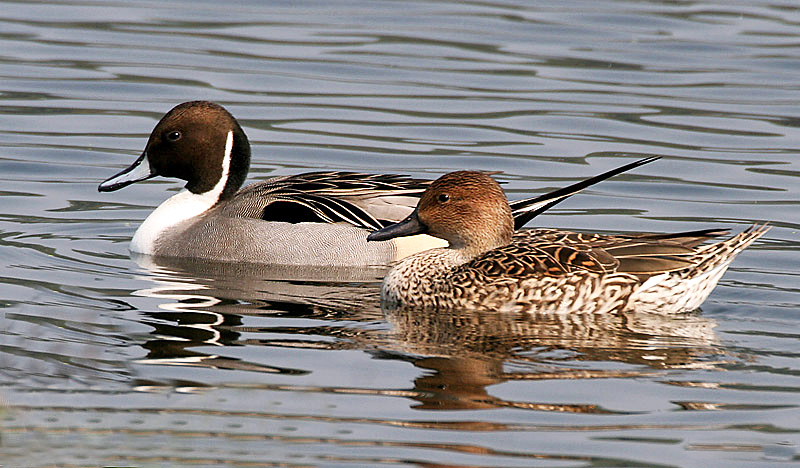
Consider the Northern Pintail, a graceful dabbling duck that the IUCN Red List considers of Least Concern worldwide. Yet within Nepal's borders, this species faces an Endangered classification—a three-step jump in threat level that reflects the precarious state of local populations despite the species' global abundance.
Source: Nepal National Red List Assessment
When Global Safety Masks Local Crisis
The most striking divergences occur among Nepal's waterfowl, where several species considered globally secure face dire circumstances locally. The Spot-billed Duck, Garganey, Greylag Goose, and Bar-headed Goose all receive higher threat classifications in Nepal than in global assessments, with some jumping from Least Concern globally to Near Threatened or Vulnerable nationally.
This pattern reveals a fundamental truth about conservation: global population stability can mask critical local declines. A species may thrive across its vast range while simultaneously vanishing from entire countries or regions, creating what conservationists call "local extinctions" that precede—and predict—broader population collapses.
Key Species Showing Assessment Divergences
Several waterfowl species demonstrate the stark differences between global and national threat assessments:
- Northern Pintail: Least Concern globally but Endangered in Nepal
- Falcated Duck: Near Threatened globally but Critically Endangered in Nepal
- Cotton Pygmy-goose: Least Concern globally but Vulnerable in Nepal
- Ferruginous Duck: Near Threatened globally but Vulnerable in Nepal
- Bar-headed Goose: Least Concern globally but Near Threatened in Nepal
- Greylag Goose: Least Concern globally but Near Threatened in Nepal
The Cotton Pygmy-goose: A Case Study in Local Vulnerability
Perhaps no species better illustrates this phenomenon than the Cotton Pygmy-goose. Globally classified as Least Concern by the IUCN Red List, this small waterfowl faces Vulnerable status in Nepal—a classification that reflects the specific threats it encounters within the country's borders. Habitat destruction, wetland degradation, and human encroachment create pressures that don't register in global assessments but could eliminate the species from Nepal entirely.
The same pattern emerges across multiple duck species. The Ferruginous Duck, considered Near Threatened globally, faces Vulnerable status in Nepal, while the Falcated Duck jumps from Near Threatened worldwide to Critically Endangered within the country—the highest possible threat category for species still found in the wild.
Why National Assessments Matter More Than Ever
National red lists serve as early warning systems, detecting population crashes and threats that global assessments might miss for years or decades. They capture the reality that conservation happens at local and national levels, where specific habitats face destruction, migration routes get severed, and human-wildlife conflicts intensify.
"National assessments provide the granular detail needed for effective conservation action," explains the methodology behind regional red list assessments. While global assessments consider species' entire ranges—often spanning multiple continents—national evaluations focus on the specific pressures and population trends within a country's borders.
This local focus proves crucial for several reasons. First, it identifies populations at immediate risk of local extinction, even when the species remains secure elsewhere. Second, it reveals regional threats that may eventually spread to affect global populations. Third, it provides the specific, actionable information that national conservation programs need to prioritize their limited resources effectively.
| Species | Global IUCN Status | Nepal National Status | Threat Level Increase |
|---|---|---|---|
| Falcated Duck | Near Threatened | Critically Endangered | 2 levels |
| Northern Pintail | Least Concern | Endangered | 3 levels |
| Cotton Pygmy-goose | Least Concern | Vulnerable | 2 levels |
| Ferruginous Duck | Near Threatened | Vulnerable | 1 level |
| Bar-headed Goose | Least Concern | Near Threatened | 1 level |
| Common Pochard | Vulnerable | Near Threatened | -1 level (improvement) |
The Wetland Connection
The concentration of divergent species among waterfowl isn't coincidental—it reflects Nepal's position as a critical waypoint along major Asian flyways and the intense pressure on the country's wetland ecosystems. As urbanization accelerates and agricultural practices intensify, Nepal's lakes, marshes, and riverside habitats face unprecedented threats.
These local pressures create bottlenecks for migrating species and eliminate breeding or wintering grounds that may be irreplaceable. A species like the Bar-headed Goose, which undertakes one of the world's most challenging migrations over the Himalayas, depends on specific high-altitude wetlands that exist nowhere else on Earth.
Beyond the Numbers: Conservation Implications
Nepal's divergent assessments carry profound implications for conservation strategy. Species flagged as threatened nationally require immediate protection measures, habitat restoration, and monitoring programs—regardless of their global status. The Falcated Duck's Critically Endangered classification in Nepal, for instance, should trigger emergency conservation protocols even though the species remains relatively secure elsewhere.
Furthermore, these assessments help identify conservation success stories. The Common Pochard, classified as Vulnerable globally but only Near Threatened in Nepal, suggests that local conservation efforts may be proving more effective than global trends would indicate.
A Model for Global Conservation
Nepal's comprehensive national assessment, covering 257 species with detailed local threat evaluations, provides a model for conservation prioritization worldwide. By identifying where global and national assessments diverge, countries can focus their conservation efforts on species facing the greatest local threats while contributing to global conservation goals.
The lesson extends far beyond Nepal's borders: effective conservation requires both global perspective and local precision. While international cooperation remains essential for protecting migratory species and addressing climate change, the real work of conservation happens in specific places, protecting particular populations from immediate, identifiable threats.
As biodiversity loss accelerates globally, national red lists like Nepal's offer hope—not just as early warning systems, but as roadmaps for targeted, effective conservation action. Understanding what makes a species vulnerable locally provides the key to keeping it secure globally.
Explore more on SpeciesRadar: Cinchona nitida and the Nepal biodiversity dashboard.
Frequently Asked Questions
What is the difference between global and national red list assessments?
Global assessments consider a species' entire worldwide range and population, while national assessments focus specifically on the status and threats within a single country's borders, often revealing more immediate conservation needs.
Why do some species have different threat levels globally versus nationally?
A species may be abundant across most of its range but face severe declines in specific regions due to local threats like habitat loss, hunting pressure, or environmental changes that don't affect the global population significantly.
How many species were assessed in Nepal's national red list?
Nepal's comprehensive national red list assessment covered 257 species, with 225 identified as globally threatened and 44 classified as Critically Endangered within the country.
What makes waterfowl particularly vulnerable in Nepal?
Nepal's wetlands face intense pressure from urbanization and agricultural intensification, while the country serves as a critical waypoint along major Asian flyways, making local habitat loss especially impactful for migratory waterfowl.
How should conservation priorities change based on national assessments?
National assessments should guide immediate conservation action, with species showing higher national threat levels receiving priority protection, habitat restoration, and monitoring regardless of their global status.
Discover more about threatened species and conservation efforts worldwide at SpeciesRadar, where cutting-edge data meets actionable conservation insights.