Mekong Giant Catfish: Cambodia's Hotline Saves Rare Fish
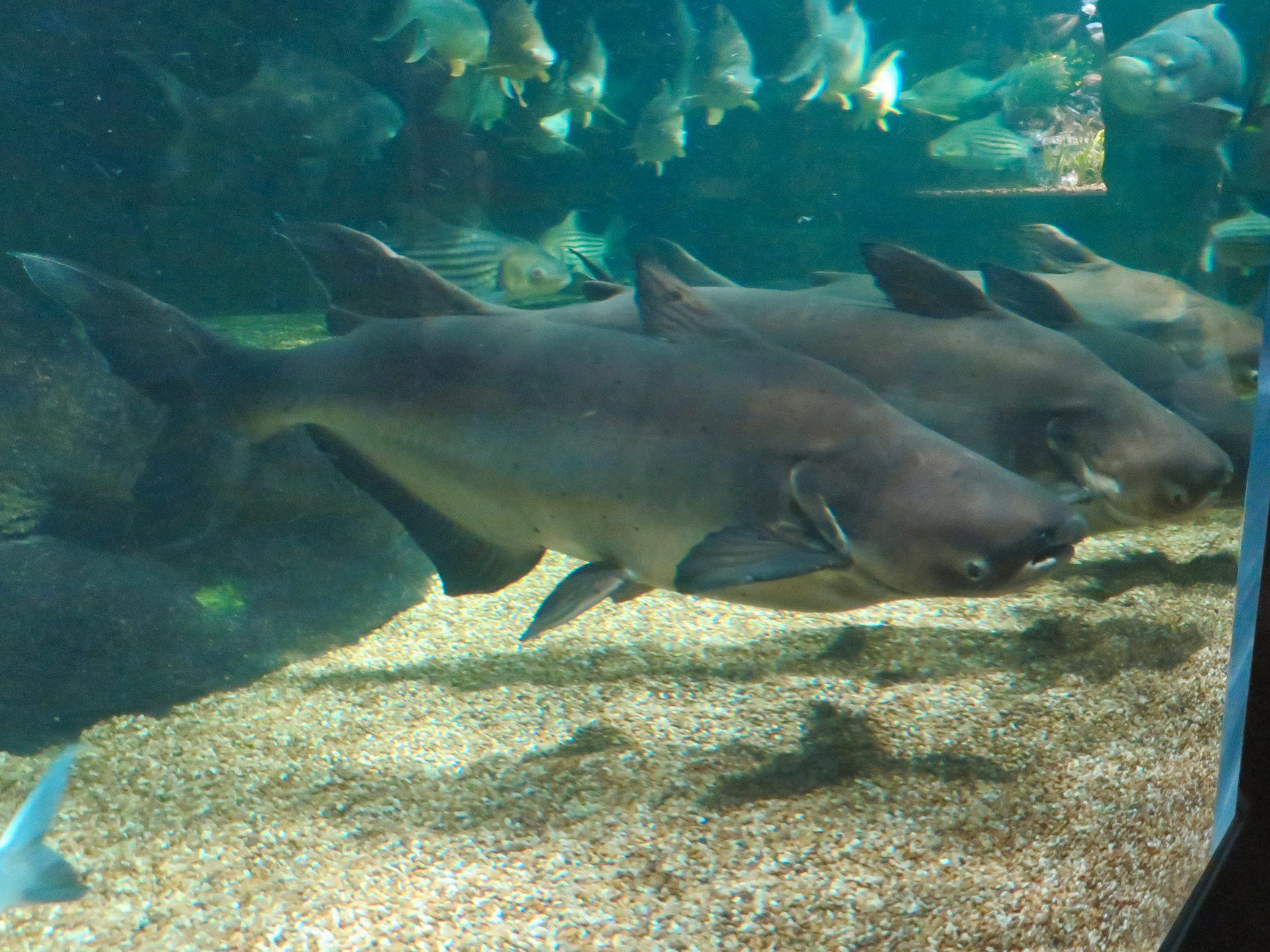
A Phone Call That Can Save a Species
For decades, a fisher hauling up an unexpected giant on the Mekong River faced a grim choice: keep the catch, or let it go and lose valuable time and gear. Now a new rapid-response hotline and companion app, launched to help Cambodian fishing communities report accidental captures of the Mekong giant catfish, is changing that calculus — and, according to National Geographic's reporting, researchers are recording a surprising uptick in sightings of the species after years of grim decline.
The system works simply. A fisher who nets one of these enormous fish can call a 24-hour line or use an app to alert a rescue team, which races to the site to help release the animal — or, when release isn't possible, to gather crucial biological data before the fish is processed. It's a small piece of infrastructure addressing an enormous problem: the Mekong giant catfish is listed as Critically Endangered on the IUCN Red List, one step from extinction in the wild.

What This Means for the Species
A hotline alone will not reverse decades of habitat loss, but conservationists say it represents a meaningful shift in how local communities and scientists collaborate on real-time protection. Every rescued fish that survives to spawn again matters enormously for a population as depleted as this one, where individual adults can represent a significant fraction of the remaining reproductive-age fish in a given stretch of river.
Pangasianodon gigas is among the largest freshwater fish on Earth, capable of growing well over two meters long and weighing several hundred pounds. It's native to the Mekong basin across Southeast Asia and into adjacent parts of China, where it once migrated vast distances between feeding and spawning grounds. That migratory life history is precisely what has made the species so vulnerable to modern river engineering.
Why the Species Declined So Sharply
- Dam construction: A cascade of hydropower dams along the Mekong and its tributaries has fragmented the river system, blocking the long-distance migrations the catfish relies on to reach spawning grounds.
- Overfishing: Even as numbers dwindled, the species remained a target for its size and value, accelerating losses faster than populations could recover.
- Habitat degradation: Sand mining, agricultural runoff, and pollution have degraded the water quality in nursery and breeding habitats critical to juvenile survival.
- Disrupted flood cycles: Climate change is altering the seasonal flood pulses the Mekong's ecology depends on, further complicating reproduction timing for a fish evolved around predictable annual patterns.
Given this combination of pressures, any tool that reduces preventable mortality — such as accidental bycatch deaths — carries outsized importance for a population already stretched thin.
A Wider Pattern Along the Mekong
The Mekong basin is one of the most biologically rich freshwater systems in the world, home to thousands of species that depend on its seasonal rhythms. But it's also one of the most contested rivers on the planet, with upstream and downstream nations pursuing hydropower development that often conflicts with the needs of migratory fish. The giant catfish has become something of an emblem for this tension — a species whose fate is tied directly to decisions made far from where it swims.
Community-based reporting systems like the new hotline echo a broader trend in conservation: pairing local knowledge and everyday encounters with rapid scientific response. Fishers are often the first — and sometimes only — people to encounter a rare species in the wild, making them essential partners rather than incidental bystanders in monitoring efforts. When a network like this succeeds, it can generate data that would otherwise be impossible to collect, including up-to-date information on where individuals are still turning up, their size and condition, and seasonal patterns in sightings.

Outlook: Cautious Optimism
Researchers quoted in the National Geographic account describe the recent rise in verified sightings as unexpected, given the species' long trajectory of decline. It's too early to call this a recovery — population estimates for the Mekong giant catfish remain difficult to pin down precisely, and the species' Critically Endangered status is unlikely to change on the strength of a single reporting initiative. But the hotline offers something conservation efforts often lack: a low-cost, scalable mechanism that turns ordinary river-based livelihoods into an early-warning and rescue network.
Success will likely hinge on whether the program can be sustained and expanded, whether rescue teams can respond quickly enough across a vast and remote river system, and whether the underlying threats — dams, habitat loss, and shifting flood patterns — can be addressed in parallel. A hotline can save an individual fish caught today; it cannot, on its own, restore a blocked migration route or a degraded spawning ground.
Still, in a river basin where so much of the recent news has been discouraging, a fisher's phone call leading to a fish swimming free is a small but tangible reason for hope.
Frequently Asked Questions
What is the IUCN status of the Mekong giant catfish?
The species is classified as Critically Endangered, the most severe category before extinction in the wild, reflecting a catastrophic long-term population decline.
Why is a hotline useful for saving this species?
It lets fishers who accidentally catch the fish quickly alert rescue teams, increasing the odds that individual fish survive and can be released back into the river rather than dying as unintended bycatch.
What is the biggest threat to the Mekong giant catfish?
Dam construction across the Mekong River system is considered a primary threat, since it blocks the long migration routes the species needs to reach spawning grounds, compounding pressure from overfishing and habitat degradation.
Does the rise in sightings mean the species is recovering?
Not necessarily. Researchers describe the recent increase in verified sightings as encouraging but preliminary, and the species remains Critically Endangered given the scale of threats it still faces across the Mekong basin.
Get weekly conservation intelligence
One short digest a week of the most striking species and country data we ship, plus breaking conservation news paired with our database where it matters.
Free, no spam. One-click unsubscribe in every email.