Madagascar's 3,987 Threatened Species
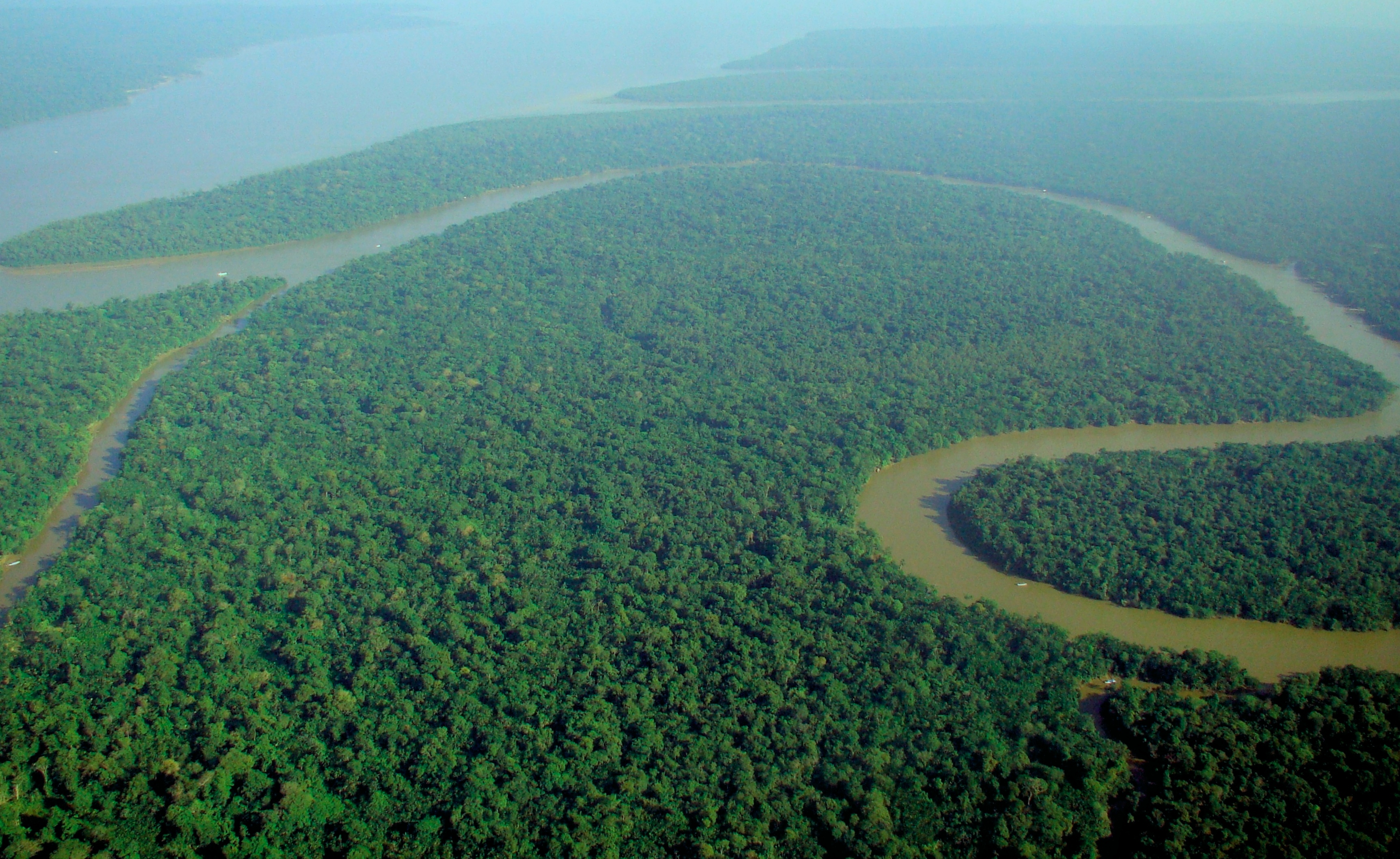
An Island That Has Been Alone for 165 Million Years
Madagascar broke away from mainland Africa roughly 165 million years ago, and in that isolation it built something unlike anywhere else on Earth: an island where entire branches of the tree of life exist nowhere else. That evolutionary solitude is precisely why the numbers below are so sobering. According to SpeciesRadar's country dashboard, Madagascar now carries 3,987 threatened species — including 717 Critically Endangered, 1,970 Endangered, and 1,300 Vulnerable species.
To understand where that burden actually falls, we pulled the taxonomic breakdown behind the headline figure — data that, to our knowledge, has not been published in this form anywhere else:
| Taxonomic group | Threatened species in Madagascar |
|---|---|
| Flowering plants | 358 |
| Monocots (grasses, palms) | 188 |
| Amphibians | 107 |
| Reptiles | 87 |
| Insects | 70 |
| Bony fish | 65 |
Key Finding: Of Madagascar's 3,987 threatened species, 358 are Flowering plants — the most threatened taxonomic group in the country.
That plants, not the island's famous lemurs, top the list is itself telling. Madagascar's crisis is fundamentally a habitat crisis — and when forest cover disappears, everything rooted in it or dependent on it goes first.

Six Biomes, One Shared Threat
Madagascar's biodiversity isn't spread evenly across a uniform landscape — it is stacked across six distinct biomes, each with its own suite of endemic specialists:
- Eastern Rainforests — humid, biodiversity-dense corridors under pressure from vanilla cultivation expansion and charcoal production
- Western Dry Deciduous Forests — seasonal forests increasingly fragmented by agriculture
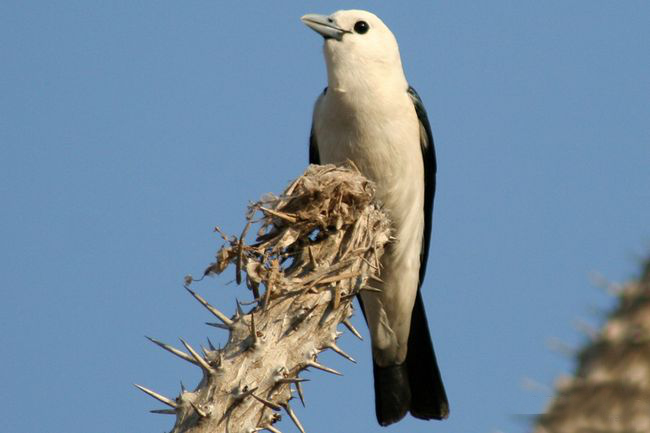
- Southern Spiny Forests — home to iconic Alluaudia and Pachypodium succulents targeted by international collectors
- Highland Montane Ecosystems — cooler, high-elevation refuges with narrow-range endemics
- Mangroves — coastal buffers squeezed by development and cyclone damage
- Coastal Wetlands — increasingly battered by intensifying cyclone activity
Each biome funnels toward the same underlying pressure: land conversion. Slash-and-burn agriculture, known locally as tavy, remains the single most persistent driver of forest loss on the island, compounded by mining operations that target Madagascar's mineral-rich soils.
Why Invertebrates Are the Canary in the Coal Mine
While plants carry the largest raw number of threatened species, it's the invertebrate assessments that reveal the sharpest warning signal in the dataset. A recent IUCN Red List assessment of 16 invertebrate species from Madagascar found that all 16 were classified as Critically Endangered — a 100% crisis rate within that sample. Among the species carrying that status is the Red-legged Fire-Millipede (Critically Endangered), a forest-floor specialist whose fate is tightly bound to leaf litter and microhabitat conditions that vanish the moment a forest is cleared for charcoal or cropland.
Its relatives illustrate the same gradient of risk. The Hova Fire-Millipede is currently listed as Endangered, while the Voeltzkow's Small Tree-Millipede sits at Vulnerable — together the three species trace a near-complete threat spectrum within a single, poorly known taxonomic group. Insects and other invertebrates rarely draw conservation funding on the scale that lemurs or chameleons attract, yet the data suggests they may be experiencing some of the most acute pressure of any group on the island.
Protection on Paper, Pressure on the Ground
Madagascar's protected area network now covers approximately 10% of the island, anchored by landmark reserves such as Andasibe-Mantadia and Ankarafantsika National Parks. On paper, that's meaningful coverage for a country of this biological density. In practice, enforcement is hampered by rural poverty and limited government resources — a gap that leaves even legally protected forest vulnerable to illegal logging and encroachment.
Madagascar's dilemma is not a lack of conservation ambition — it's a lack of capacity to enforce the protections already written into law.
Where the picture brightens is at the community level. The COFAV (Community Forests) program has transferred forest management rights directly to local communities, with encouraging results in the Ankeniheny-Zahamena corridor. In the Menabe Antimena region, community-based conservation is proving that local stewardship — not just top-down parkland designation — can hold deforestation at bay. The Durban Vision's expansion of protected areas has also added marine protected zones along the western coast, extending safeguards beyond forest boundaries into the reefs and estuaries that anchor coastal food chains.
What's Actually Working
Several initiatives stand out in the data and reporting behind Madagascar's conservation landscape:
- Community forest transfers under COFAV, giving local populations direct management authority
- Marine protected area expansion along the western coast under the Durban Vision
- Strengthened legislation increasing penalties for illegal logging and wildlife trafficking
- Cross-institutional coordination through the Madagascar Biodiversity Partnership
- Lemur conservation programs that indirectly protect shared forest habitat used by invertebrates and amphibians alike
None of these fixes are complete solutions on their own, but together they represent a shift from purely reactive protection toward locally rooted, enforceable stewardship — precisely the model needed in a country where deforestation rates remain among the highest in the world.
Frequently Asked Questions
Why does Madagascar have so many threatened species?
Madagascar's 165-million-year isolation produced extraordinarily high rates of endemism, meaning many species exist only within narrow habitat ranges on the island — so habitat loss from agriculture, charcoal production, and mining disproportionately pushes species toward threatened status.
Which taxonomic group is most threatened in Madagascar?
Flowering plants carry the largest burden, with 358 threatened species, followed by monocots such as grasses and palms at 188, according to SpeciesRadar's country data.
Are Madagascar's invertebrates really all critically endangered?
Within the specific assessed sample of 16 invertebrate species reviewed by the IUCN Red List, all were classified as Critically Endangered — a striking signal given how understudied invertebrate populations typically are.
What conservation measures are helping Madagascar's biodiversity?
Community-managed forests under the COFAV program, marine protected area expansion under the Durban Vision, and strengthened anti-trafficking legislation are among the measures showing measurable local success.
The Path Forward
Madagascar's story is not yet a story of loss finalized — it is a story of loss still being negotiated. Species like the Red-legged Fire-Millipede and countless flowering plants endemic to a single valley or ridge still have forest left to survive in, and community-led programs in Menabe Antimena and the Ankeniheny-Zahamena corridor show that local stewardship can hold a line against deforestation when it's given real authority. Strengthened trafficking legislation and an expanding marine protected network add further tools to a conservation toolkit that is finally starting to match the scale of the challenge.
Explore the complete dataset behind these numbers on the Madagascar country dashboard, and use the SpeciesRadar species explorer to track individual species status changes as new assessments come in. Read the full country biodiversity pillar on SpeciesRadar for comparative data across every nation we track.
Data sourced from Methodology: SpeciesRadar (speciesradar.org), drawing on IUCN Red List 2025-2, GBIF, and national red list assessments from 200+ countries.
Get weekly conservation intelligence
One short digest a week of the most striking species and country data we ship, plus breaking conservation news paired with our database where it matters.
Free, no spam. One-click unsubscribe in every email.