Greater Bermuda Snail: Back from Brink
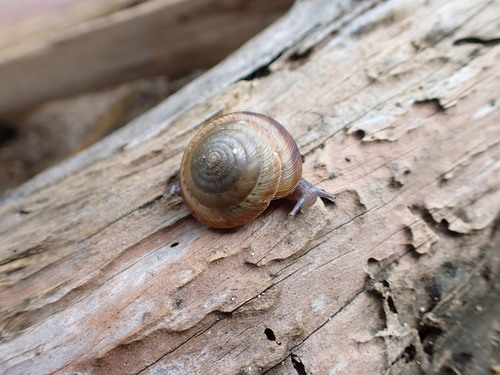
Greater Bermuda Land Snail: Back from the Brink of Extinction
In a remarkable conservation triumph, the greater Bermuda land snail (Poecilozonites bermudensis) has been officially declared secure after a decade-long breeding program successfully raised over 100,000 individuals from a critically small surviving population. The species, listed as Critically Endangered on the IUCN Red List, represents one of the most successful mollusk conservation efforts in recent history.
Key Finding: From fewer than 100 individuals to over 100,000 – the greater Bermuda land snail breeding program achieved a thousand-fold population increase, demonstrating that even critically endangered invertebrates can recover with dedicated intervention.

The breakthrough comes after conservationists at the Bermuda Aquarium, Museum and Zoo worked tirelessly to establish breeding colonies from the few remaining wild specimens. According to the recent announcement, successful reintroductions have now secured multiple self-sustaining populations across Bermuda's islands.
What This Conservation Victory Means
This achievement marks a significant milestone for invertebrate conservation, particularly for endemic island species that face unique challenges. The greater Bermuda land snail's recovery demonstrates that targeted breeding programs can reverse even severe population declines when implemented with scientific precision and long-term commitment.
The species had been reduced to perilously low numbers due to habitat destruction, invasive species pressure, and the fragmentation of Bermuda's native cedar forests. Unlike many conservation success stories that focus on charismatic megafauna, this project highlights the critical importance of protecting smaller, often overlooked species that play essential roles in ecosystem functioning.
The Breeding Program's Innovative Approach
Conservationists employed several key strategies that proved crucial to the program's success:
- Careful genetic management to maintain diversity while rapidly expanding numbers
- Habitat restoration in parallel with captive breeding to ensure suitable release sites
- Invasive species control to reduce predation pressure on reintroduced populations
- Community engagement to build local support for snail conservation efforts
- Long-term monitoring to track population establishment and growth
The breeding facilities created optimal conditions that mimicked the snail's natural environment, including specific humidity levels, temperature ranges, and food sources. This attention to detail proved essential for achieving the reproductive success rates necessary for population recovery.

The Wider Context of Mollusk Conservation
Land snails represent one of the most threatened groups of animals globally, with many species facing extinction before they're even scientifically described. The greater Bermuda land snail's recovery offers hope for other critically endangered mollusks, particularly those on islands where habitat loss and invasive species create perfect storms of extinction pressure.
Bermuda's native ecosystems have suffered significant degradation since human colonization, with many endemic species lost forever. The land snail's recovery represents not just the salvation of a single species, but the restoration of ecological connections that had been severed for decades.
Lessons for Global Conservation
The success of this program provides several important insights for conservation practitioners worldwide. First, it demonstrates that invertebrate species can respond rapidly to conservation interventions when conditions are optimized. Second, it shows the importance of integrating captive breeding with habitat restoration and invasive species management.
The project also highlights how local expertise and community involvement can make the difference between success and failure. Bermudian conservationists' deep understanding of the island's ecosystems proved invaluable in creating the conditions necessary for the snail's recovery.
Looking Forward: Securing Long-term Survival
While the immediate crisis has passed, ensuring the greater Bermuda land snail's long-term survival requires ongoing vigilance. Climate change poses new challenges for island ecosystems, with sea-level rise and changing precipitation patterns potentially affecting the specialized habitats these snails require.
Conservationists are now focusing on establishing additional populations across suitable habitats throughout Bermuda, creating a network of interconnected communities that can support genetic exchange and provide resilience against future threats. Continued monitoring will track population dynamics and identify any emerging challenges before they become critical.
The success also provides momentum for protecting other endangered Bermudian species, including several plants and birds that face similar pressures. The techniques developed for snail conservation are being adapted for use with other native species, creating a conservation toolkit specifically designed for island ecosystems.
Methodology: Data sourced from SpeciesRadar (speciesradar.org), drawing on IUCN Red List 2025-2, GBIF, and conservation program reports from Bermuda's Department of Environment and Natural Resources.
Frequently Asked Questions
How long did the breeding program take to achieve success?
The breeding program took approximately ten years from initial captive population establishment to the recent declaration of species security. The first few years focused on understanding breeding requirements, while the latter years scaled up production and began reintroductions.
What made this species so vulnerable to extinction?
The greater Bermuda land snail faced multiple threats including habitat destruction from development, predation by introduced species like rats and birds, and the loss of native cedar forests that provided their preferred microhabitat conditions.
How many snails were released back into the wild?
While the total bred exceeded 100,000 individuals, the specific number released has not been publicly disclosed. Releases were conducted gradually over several years to allow populations to establish naturally and avoid overwhelming available habitats.
What does this mean for other endangered snail species?
This success demonstrates that targeted conservation efforts can save critically endangered mollusks, providing a model that could be adapted for other threatened land snail species worldwide, particularly those on islands facing similar conservation challenges.
Get weekly conservation intelligence
One short digest a week of the most striking species and country data we ship, plus breaking conservation news paired with our database where it matters.
Free, no spam. One-click unsubscribe in every email.