Four-eyed Turtle: Rare Hatchlings Bring Hope
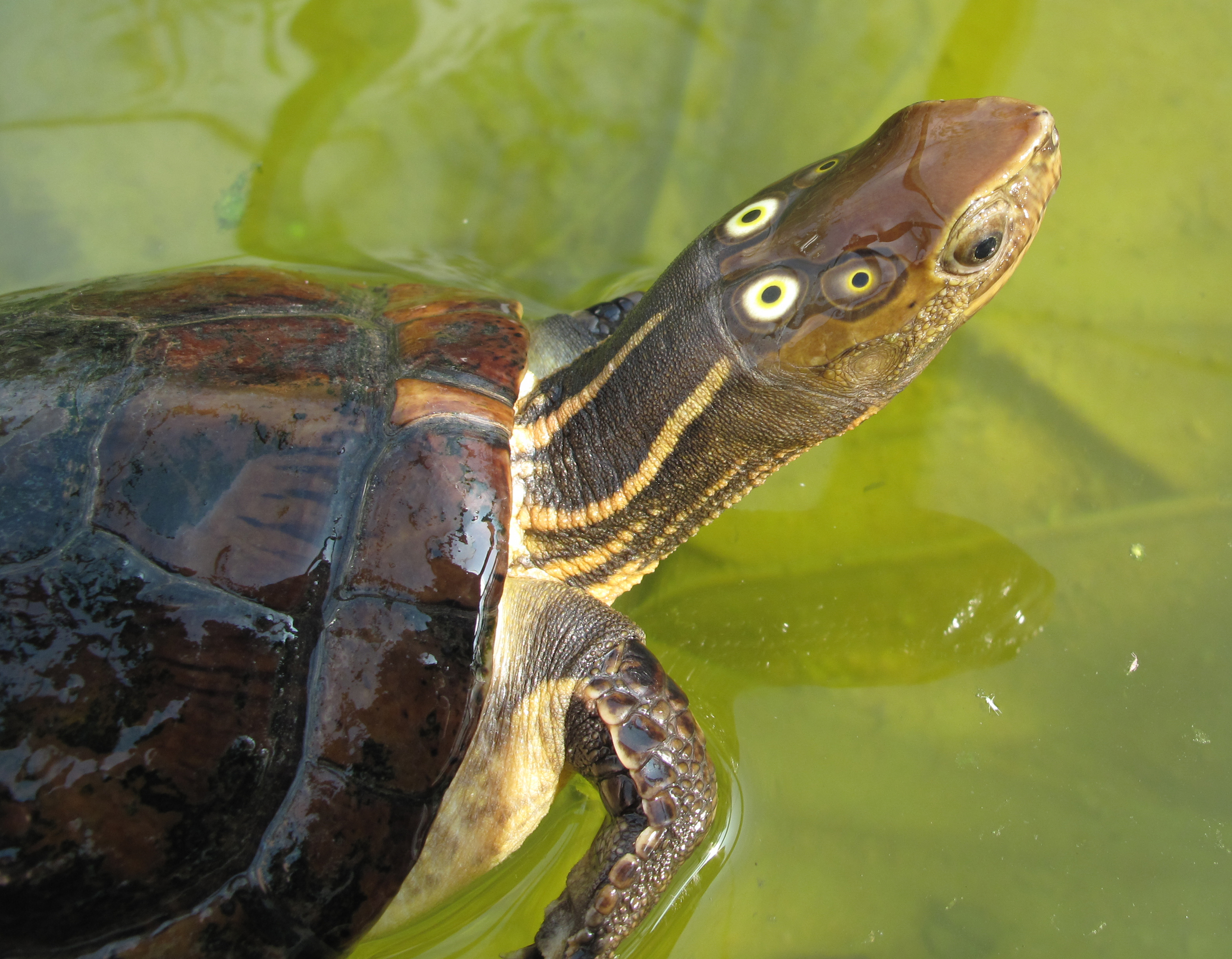
Seven small shells, each barely larger than a bottle cap, have quietly become one of the year's most encouraging conservation stories. The Tennessee Aquarium has announced the successful hatching of seven Four-eyed Turtles (Sacalia quadriocellata), a critically endangered freshwater species from the forested streams of southern China and northern Vietnam. The hatchings, reported by NewsChannel 9, build on the aquarium's earlier breeding breakthrough with the species and mark a rare moment of momentum for one of the world's most trafficked turtles.
The Four-eyed Turtle takes its name from four eye-like spots on the back of its head, thought to confuse predators into perceiving a larger, more intimidating face. It is a modest-sized, secretive animal that spends much of its life in shaded, slow-moving streams — habitat that has become increasingly scarce and polluted across its native range. According to our Four-eyed Turtle species profile, the species is classified as Critically Endangered on the IUCN Red List, the second-most severe category before extinction in the wild.
A Small Aquarium's Outsized Role
Breeding critically endangered turtles in managed care is notoriously difficult. Many species in the Sacalia and Geoemyda groups reproduce slowly, lay small clutches, and require precise humidity, temperature, and water-quality conditions to hatch successfully. The Tennessee Aquarium's team, working within its River Journey conservation program, has now repeated a breeding success it first achieved previously with this species — a sign that its animal husbandry protocols are becoming replicable rather than a one-off event.
That distinction matters enormously in the world of turtle conservation. A single successful clutch can be a fluke of circumstance; a second and third successful season, involving multiple hatchlings, suggests an institution has cracked the reproductive puzzle for a species that has stubbornly resisted captive breeding elsewhere.

Why the Four-eyed Turtle Is in Trouble
The pressures facing Sacalia quadriocellata in the wild are severe and layered. Unlike many freshwater turtles that decline primarily due to habitat loss alone, this species is squeezed from multiple directions simultaneously:
- Collection for trade — Intensive harvesting for the traditional medicine trade and food markets across China and Vietnam has stripped wild populations at a pace they cannot sustain.
- Habitat fragmentation — Agricultural expansion and urban development have carved up the forested stream networks the species depends on, isolating small populations from one another.
- Water pollution — Industrial runoff and agricultural chemicals have degraded the clean, oxygen-rich streams that Four-eyed Turtles require, compounding the damage from direct habitat loss.
- Slow reproduction — Like most turtles, this species matures late and reproduces at a low rate, meaning populations depleted by collection can take decades to recover, if they recover at all.
That final point is what makes captive breeding successes so consequential. A turtle that might lay only a handful of eggs a year, and take years to reach breeding maturity, cannot simply repopulate itself once wild numbers collapse. Every hatchling produced in a controlled, protected setting represents genetic material and biological time that cannot easily be replaced from the wild.
What This Means for the Species
The Tennessee Aquarium's seven new hatchlings will not immediately relieve pressure on wild populations, and the aquarium's team has been careful to frame the achievement as a conservation building block rather than a solved problem. But breeding programs like this one serve several concrete purposes. They create an assurance population — a genetic reservoir insulated from poaching and habitat loss. They allow researchers to study the species' reproductive biology in detail, generating knowledge that can eventually inform wild population management. And they build institutional expertise that can be shared with other zoos, aquariums, and in-range conservation partners working closer to the turtle's native habitat in Asia.
The Wider Picture for Turtle Conservation
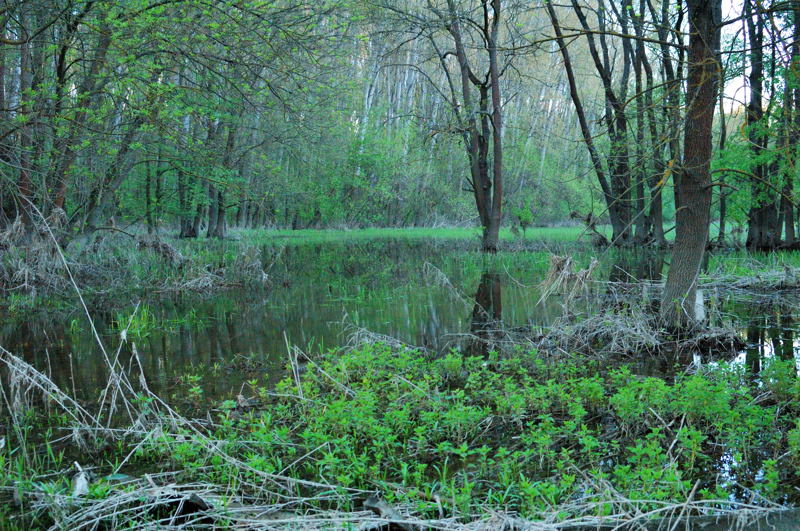
The Four-eyed Turtle is far from alone in facing this kind of pressure. Southeast Asia's freshwater turtles as a group are among the most imperiled reptiles on Earth, driven by a combination of demand from wildlife trade markets and rapid regional development. Species sharing similar habitat and threats include numerous box turtles and pond turtles across the region, many of which carry IUCN classifications of Endangered or Critically Endangered.
Institutions like the Tennessee Aquarium sit within a broader global network of zoos and aquariums participating in coordinated breeding programs for such species, often in partnership with regional conservation groups such as Turtle Survival Alliance affiliates working directly in China and Vietnam. The long-term goal for many of these programs is not simply to maintain animals in captivity indefinitely, but to eventually support reintroduction or genetic reinforcement of wild populations once trade pressures and habitat threats can be adequately managed.
Looking Ahead
For now, the seven hatchlings will be raised behind the scenes, monitored closely as they grow through the vulnerable early life stages when turtles are most susceptible to disease and injury. Aquarium staff have signaled interest in continuing to expand their breeding efforts, and each successful clutch adds data that could help other institutions replicate the results.
The story of the Four-eyed Turtle is a reminder that conservation successes are often incremental and unglamorous — measured in single-digit hatchling counts rather than sweeping population rebounds. But for a species classified as Critically Endangered, with a slow reproductive rate and a home range under mounting pressure, seven new lives are a meaningful step forward.
Frequently Asked Questions
What is the IUCN status of the Four-eyed Turtle?
The Four-eyed Turtle (Sacalia quadriocellata) is classified as Critically Endangered, the most severe IUCN Red List category short of extinction in the wild.
Why are Four-eyed Turtles endangered?
The species is threatened primarily by collection for the traditional medicine and food trade in China and Vietnam, alongside habitat degradation from agricultural and urban development and pollution of its freshwater stream habitat.
Why does captive breeding matter for this species?
Because the species reproduces slowly and wild populations have been heavily depleted, captive breeding programs create protected assurance populations and generate biological knowledge that could eventually support wild population recovery.
Where did this breeding success happen?
The hatchings occurred at the Tennessee Aquarium, as reported by NewsChannel 9, continuing the institution's earlier breeding breakthrough with this species.
Get weekly conservation intelligence
One short digest a week of the most striking species and country data we ship, plus breaking conservation news paired with our database where it matters.
Free, no spam. One-click unsubscribe in every email.