Four-eyed Turtle: 7 Critically Endangered Hatchlings in TN
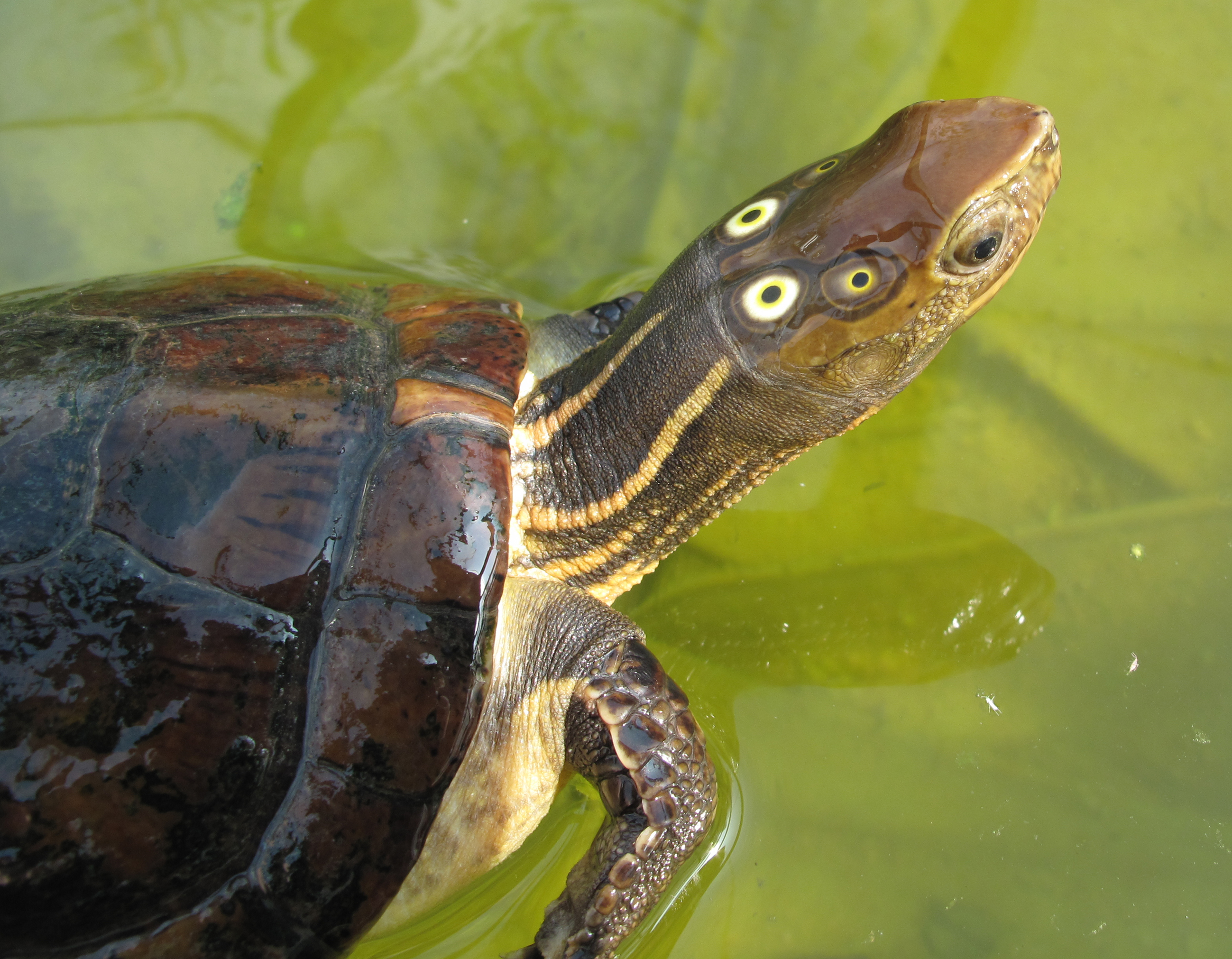
Seven small shells, each barely wider than a coin, now represent an outsized share of hope for one of the world's most imperiled freshwater turtles. The Tennessee Aquarium has confirmed the hatching of a trio of Four-eyed Turtles (Sacalia quadriocellata) in the first half of 2026, adding to earlier successes this year and bringing the aquarium's recent hatchling count to seven. For a species classified as Critically Endangered on the IUCN Red List, every successful hatch is a meaningful data point in an otherwise grim population trend.
The news, first reported by NewsChannel 9 (WTVC), highlights the aquarium's ongoing work through its River Journey Conservation program and the broader Turtles of the World breeding initiative. Staff described the hatchlings as a continuation of previous milestones rather than a one-off event — a sign that the aquarium's breeding protocols for this notoriously difficult species are beginning to yield consistent, repeatable results.
Why This Species Needed the Win
The Four-eyed Turtle is native to subtropical forest streams in southern China and northern Vietnam, where it has become one of the most heavily trafficked freshwater turtles on the continent. Its Critically Endangered status on the IUCN Red List reflects decades of pressure that has left wild populations fragmented and, in many former range areas, effectively extirpated. According to SpeciesRadar's species profile, exact population estimates remain unknown — a common and troubling reality for a turtle so scarce in the wild that survey data are difficult to collect at all.
That data gap is itself telling. When a species is too rare to reliably census, captive breeding programs like the one at the Tennessee Aquarium take on outsized importance, functioning simultaneously as insurance populations and as sources of biological information researchers can no longer easily gather in the field.

What Is Driving the Decline
The threats facing Sacalia quadriocellata are well documented and largely human-driven. Understanding them helps explain why captive breeding has become such a critical tool for the species' survival:
- Collection for trade — intensive harvesting to supply traditional medicine markets and food trade across China and Vietnam has been the single largest driver of wild population loss.
- Habitat degradation — agricultural expansion and urban development have fragmented the forest streams the species depends on, isolating remaining populations from one another.
- Water pollution — industrial runoff and agricultural chemicals have degraded the aquatic habitats essential to a species that spends much of its life in clean, flowing freshwater.
- Slow reproduction — like many turtles, this species reproduces slowly, meaning that once a population is depleted, natural recovery can take generations, if it happens at all.
Taken together, these pressures form a feedback loop: wild numbers drop, remaining habitat shrinks further, and the species' biological limits make rebounding nearly impossible without intervention. That is precisely the gap institutions like the Tennessee Aquarium are trying to fill.
A Track Record Built Hatch by Hatch
This spring's three hatchlings did not emerge from a standing start. Aquarium staff have been steadily refining incubation conditions, nesting substrate, and pairing strategies for the species over recent seasons, and the WTVC report frames this year's hatchlings as an extension of that accumulated experience rather than a lucky break. Seven hatchlings in relatively short succession suggests the aquarium's team has found a reproductive formula that works — a nontrivial achievement for a species whose husbandry needs are still being refined by zoos and aquariums worldwide.
Captive breeding successes like this rarely make headlines outside specialist circles, but they matter enormously for Red List recovery planning. Genetically diverse, healthy captive populations give conservationists options: assurance colonies that guard against extinction, research subjects that reveal reproductive biology, and potentially future source stock for reintroduction should wild habitat conditions improve.

What This Means for the Species Going Forward
A handful of hatchlings will not reverse the Four-eyed Turtle's trajectory on their own. But breeding successes at accredited institutions build toward something larger: a distributed, cooperative safety net across zoos and aquariums that reduces the risk of a single catastrophic event wiping out the last individuals of a lineage. For a Critically Endangered species with no reliable wild population estimate, that safety net may be the difference between long-term survival and disappearance.
The Tennessee Aquarium's continued investment also signals to the broader conservation community that this species can be bred with intention, not just accident — encouraging other institutions to commit resources to a turtle that has historically been overshadowed by more charismatic conservation icons.
Frequently Asked Questions
What is a Four-eyed Turtle?
The Four-eyed Turtle (Sacalia quadriocellata) is a small freshwater turtle native to forest streams in southern China and northern Vietnam, named for the eye-like markings on the back of its head.
Why is the species Critically Endangered?
Intensive collection for the traditional medicine and food trade, combined with habitat degradation and water pollution, has driven steep population declines, and the species' slow reproductive rate limits natural recovery.
How many Four-eyed Turtles are left in the wild?
An exact population estimate is unknown, largely because the species has become so rare and elusive that reliable field surveys are extremely difficult to conduct.
Why does a hatching at one aquarium matter so much?
For a Critically Endangered species with no confirmed wild population figure, every successful captive hatch strengthens the genetic and demographic safety net that could support future conservation efforts, including potential reintroduction programs.
Read more about the species' status and threats on its SpeciesRadar profile, and see the original report from NewsChannel 9 (WTVC).
Get weekly conservation intelligence
One short digest a week of the most striking species and country data we ship, plus breaking conservation news paired with our database where it matters.
Free, no spam. One-click unsubscribe in every email.