Eastern Barred Bandicoot: 100 Return to Wild
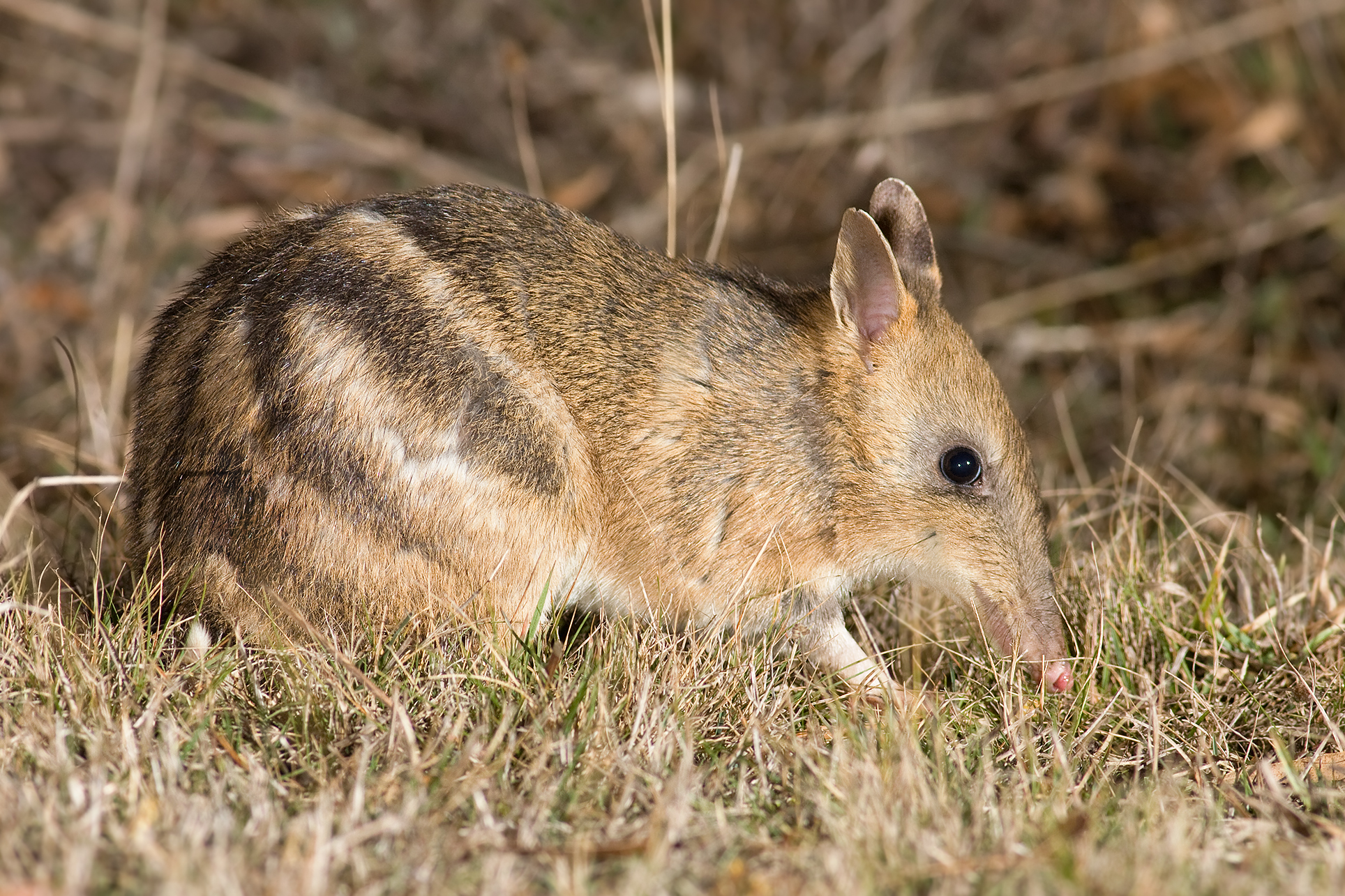
A record release on Phillip Island
Up to 100 eastern barred bandicoots have been set loose on Phillip Island off the coast of Victoria, Australia, in what conservationists are calling the largest single reintroduction of the species ever attempted. The animals, small nocturnal marsupials once declared extinct in the mainland wild, were bred through a pioneering genetic rescue programme that deliberately crossed mainland and Tasmanian bloodlines to widen the gene pool and reduce inbreeding-related defects, according to Euronews.
The story of the Eastern Barred Bandicoot (Perameles gunnii) is one of the more remarkable rebounds in Australian conservation. By the early 1990s, fewer than 150 individuals remained in mainland Victoria, and the species was functionally gone from the wild there within a decade, surviving only in captive breeding colonies and a handful of fenced insurance populations. The Phillip Island release, following years of careful crossbreeding to manage genetic health, represents a significant vote of confidence in the animal's ability to hold ground outside artificial enclosures.

What the genetic rescue actually solved
Small, isolated populations tend to accumulate genetic problems over generations — reduced fertility, weaker immune responses, and lower survival rates in offspring. Conservation geneticists working on the bandicoot programme addressed this by pairing bandicoots from the Tasmanian population, which had remained more genetically diverse, with mainland Victorian lines that had narrowed dramatically after decades of fox and cat predation. The resulting hybrid lineage is intended to combine resilience traits from both populations while avoiding the depressed vigour that comes from breeding too narrow a stock.
This is the species profiled on SpeciesRadar's Eastern Barred Bandicoot page, which is currently listed by the IUCN as Vulnerable. That global classification reflects a species that, thanks to intensive management, has moved back from the brink of extinction but still depends heavily on protected or predator-controlled sites to survive. Population figures for the species remain difficult to pin down precisely across its fragmented range, but conservation groups agree the Phillip Island cohort meaningfully expands the number of free-ranging individuals outside fenced reserves.
Why Phillip Island
Phillip Island was chosen partly because it lacks the fox population that decimated mainland bandicoots, though feral cats remain present and are actively managed. The island's grassy, coastal habitat closely resembles the volcanic plains and grassy woodlands of western Victoria that bandicoots historically occupied before land clearing and introduced predators pushed them out. Establishing a self-sustaining population there gives the species a genuine wild foothold rather than another fenced sanctuary, even as monitoring and predator control continue.
What this means for the species
A release of this scale changes the calculus for the Eastern Barred Bandicoot in several ways:
- It shifts a meaningful share of the captive-bred population into an open, unfenced landscape, testing whether genetic rescue translates into real survival advantages under natural conditions.
- It reduces reliance on a small number of fenced mainland sites, which, while safer from foxes, cap how large the total population can grow.
- It provides a live experiment in outcrossing genetics that other threatened marsupial recovery programmes, including those for potoroos and quolls, are watching closely.
- It restores an ecosystem engineer to a landscape — bandicoot foraging pits aerate soil, disperse seeds, and spread fungal spores that support grassland health.
- It gives conservationists a larger sample to track disease resistance, breeding success, and predator interactions over coming seasons.
The threats that haven't gone away
Even with a headline-grabbing release, the bandicoot's underlying problems persist. Predation from red foxes and feral cats remains the dominant force behind the species' historic collapse, and while Phillip Island offers some insulation from foxes, cats are a continuing management burden there and elsewhere. Competition and predation pressure from native species adds further strain on recovering populations, and ongoing habitat loss linked to logging and timber harvesting continues to shrink the grassy woodland and pasture-edge habitat the species depends on. Conservation records classify all three pressures as ongoing rather than escalating or easing, meaning the risk to the bandicoot has stabilised but not disappeared.
That mix of stabilised-but-persistent threats is precisely why breeding programmes have leaned on genetic diversification rather than simply producing more animals. A larger population with the same narrow gene pool would still be vulnerable to disease outbreaks or reduced fertility. The hope behind the Phillip Island cohort is that broader genetics buys the species more resilience against whatever combination of predators, competitors, and habitat pressure it encounters next.
Outlook: cautious optimism
Conservationists tracking the release will spend the coming months monitoring survival rates, breeding activity, and how the hybrid bandicoots fare against Phillip Island's resident feral cat population. Success would likely encourage similar large-scale releases at other predator-managed sites across Victoria and Tasmania, gradually rebuilding a species that a generation ago seemed destined to survive only behind fences. Failure, or high early mortality, would push researchers back toward smaller, staged releases. Either outcome will inform how genetic rescue techniques are applied to other embattled Australian marsupials in the years ahead.
Frequently Asked Questions
What is a genetic rescue programme?
It is a breeding strategy that deliberately combines animals from genetically distinct populations — in this case mainland Victorian and Tasmanian bandicoots — to increase diversity and counter the effects of inbreeding in small, isolated groups.
Why was Phillip Island chosen for the release?
The island lacks red foxes, the bandicoot's most damaging predator on the mainland, and its grassy coastal terrain resembles the species' historic grassland habitat, though feral cats still require active management there.
Is the Eastern Barred Bandicoot still endangered?
The species is currently listed as Vulnerable on the IUCN Red List. It was previously extinct in the mainland wild and survives today largely through captive breeding and reintroduction efforts like this one.
What ecological role does the bandicoot play?
Its foraging habit of digging small conical pits in soil aerates grassland earth, disperses seeds, and spreads fungal spores, making it a quiet but important engineer of the grassy ecosystems it inhabits.
Get weekly conservation intelligence
One short digest a week of the most striking species and country data we ship, plus breaking conservation news paired with our database where it matters.
Free, no spam. One-click unsubscribe in every email.