Cat Ba Langur: A Few Dozen Left in the Wild
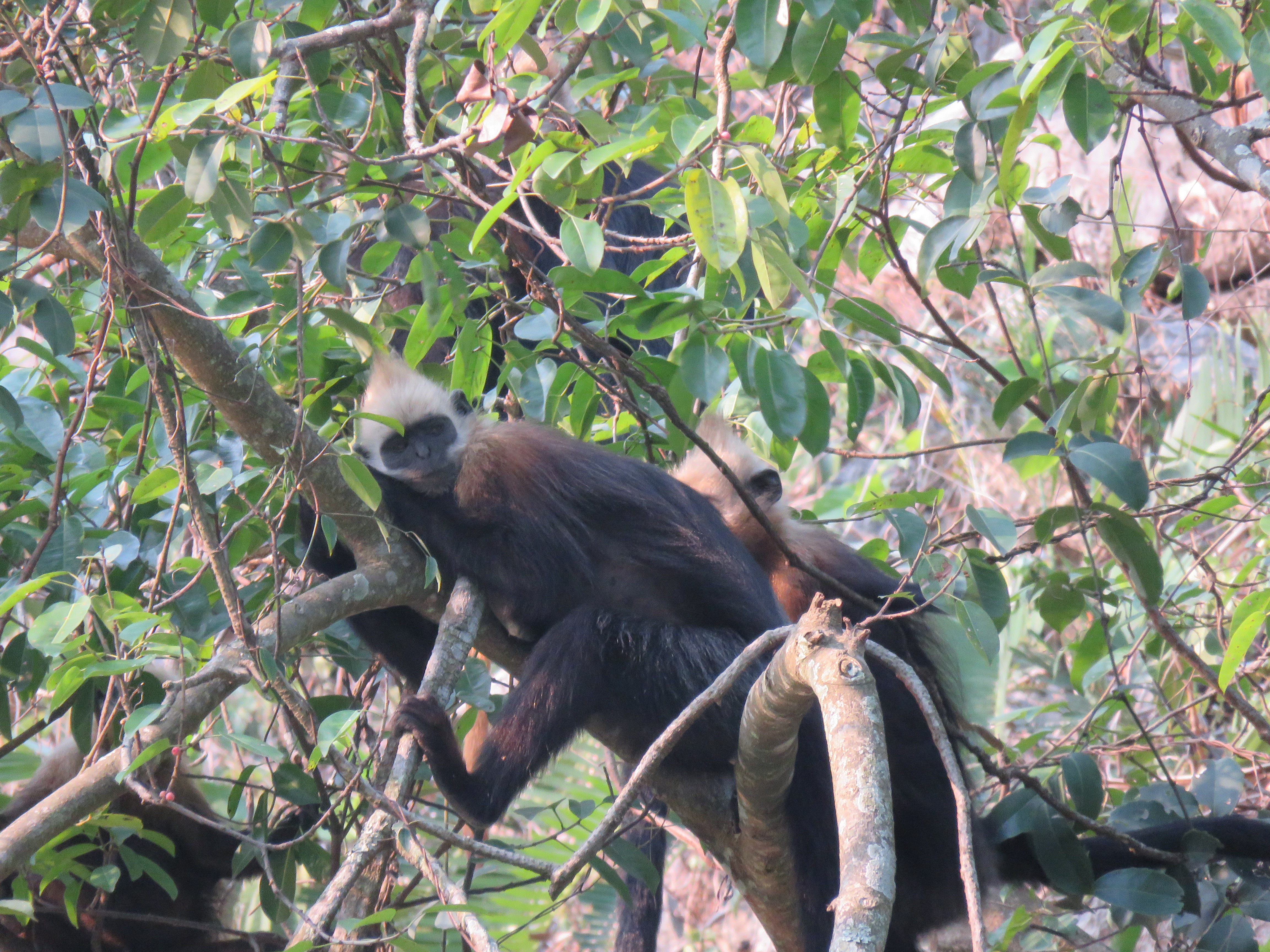
A Vanishing Primate on a Single Vietnamese Island
The Cat Ba hooded black leaf monkey (Trachypithecus poliocephalus), one of the rarest primates on Earth, now numbers only a few dozen individuals in the wild, according to the IUCN's latest assessment. The species survives exclusively on Cat Ba Island in northern Vietnam's Ha Long Bay archipelago, a limestone karst landscape that has become both its last refuge and the boundary of its extinction risk.
The finding comes from a broader IUCN review covered by the South China Morning Post, which found that more than 4,300 species across Southeast Asia are now classified as endangered or critically endangered. Wildlife trafficking and consumption pressures were flagged as central drivers of the region's biodiversity decline, touching everything from pangolins and turtles to primates like the Cat Ba langur.
In our database, the Cat Ba hooded black leaf monkey — listed under the internal profile for the Tonkin hooded black langur — carries an IUCN Red List category of Critically Endangered, the classification's most severe rung short of extinction in the wild. The species has held this status for years, but the latest reporting underscores how precarious its position remains even after decades of conservation attention.
What This Status Means
Critically Endangered is not a symbolic label. Under IUCN criteria, it signals that a species faces an extremely high risk of extinction in the immediate future, typically because of a combination of small population size, restricted range, and continuing decline. For the Cat Ba langur, all three conditions apply simultaneously:
- Tiny population: Numbers have been reduced to a few dozen animals confined to one island, making the species acutely vulnerable to a single localized event — disease, storm damage, or a poaching incursion — that could wipe out a meaningful share of the remaining population.
- Extremely restricted range: Unlike many endangered primates that survive in fragmented but geographically dispersed populations, the Cat Ba langur exists nowhere else on the planet, so there is no buffer population elsewhere to fall back on.
- Ongoing human pressure: The SCMP report ties the region's mounting extinction figures to trafficking networks and consumption demand, pressures that have historically included hunting of langurs for traditional medicine markets in addition to habitat disturbance from tourism development around Ha Long Bay.
Taken together, these factors mean that even modest additional losses — a handful of individuals removed through poaching or accidental mortality — could meaningfully shift the species' survival odds. Conservation biologists generally treat populations this small as functionally dependent on active, sustained intervention rather than passive habitat protection alone.
The Wider Southeast Asian Picture
The Cat Ba langur's plight is emblematic of a regional pattern rather than an isolated case. The IUCN figures cited in the SCMP report — more than 4,300 Southeast Asian species now endangered or critically endangered — point to systemic pressures across the Association of Southeast Asian Nations bloc, including habitat conversion, illegal wildlife trade routes, and demand for wildlife products in both domestic and export markets.
Vietnam sits at the center of much of this trade activity, both as a source country for trafficked wildlife and as a transit point toward markets elsewhere in Asia. Cat Ba Island itself illustrates the tension between conservation and development: it hosts a national park and has attracted decades of langur-focused conservation programs, yet it is also part of a UNESCO-recognized tourism zone experiencing steady visitor growth, road building, and coastal development.
Why Small-Range Primates Are Especially Exposed
Species confined to a single island or mountain range face a compounding risk profile that differs from wider-ranging species. A typhoon, a disease outbreak, or a spike in poaching pressure in one location can affect the entire global population simultaneously — there is no geographic redundancy. This is part of why island endemics and range-restricted primates disproportionately populate the Critically Endangered tier of the Red List, alongside more widely publicized threatened species from the region's forests and wetlands.
Outlook and Conservation Response
Conservation groups working on Cat Ba Island have for years focused on anti-poaching patrols, habitat protection within designated reserve zones, and community engagement to reduce hunting pressure. The persistence of the species at only a few dozen individuals suggests these measures have likely prevented outright extinction but have not yet enabled meaningful population recovery.
Regional wildlife authorities and international bodies cited in the SCMP coverage point toward strengthened enforcement against trafficking networks and tighter cross-border cooperation as necessary next steps to slow the broader 4,300-species crisis. For a population as small as the Cat Ba langur's, experts generally agree that continued survival will likely depend on some combination of strict poaching enforcement, habitat integrity within the national park boundaries, and monitoring granular enough to detect population changes before they become irreversible.
Frequently Asked Questions
How many Cat Ba langurs are left in the wild?
Recent IUCN reporting indicates only a few dozen individuals remain, all confined to Cat Ba Island in Vietnam's Ha Long Bay archipelago.
What is the Cat Ba langur's IUCN status?
The species is classified as Critically Endangered, the most severe category before a species is considered extinct in the wild.
Why are so many Southeast Asian species newly classified as threatened?
IUCN assessments cited by the South China Morning Post attribute the rise — over 4,300 species now endangered or critically endangered — largely to wildlife trafficking, consumption demand, and habitat loss across the region.
Is the Cat Ba langur found anywhere outside Vietnam?
No. It is endemic to Cat Ba Island, meaning this single location represents its entire global range and the full extent of its wild population.
Get weekly conservation intelligence
One short digest a week of the most striking species and country data we ship, plus breaking conservation news paired with our database where it matters.
Free, no spam. One-click unsubscribe in every email.