Bornean Orangutan: Rescue Isn't Enough
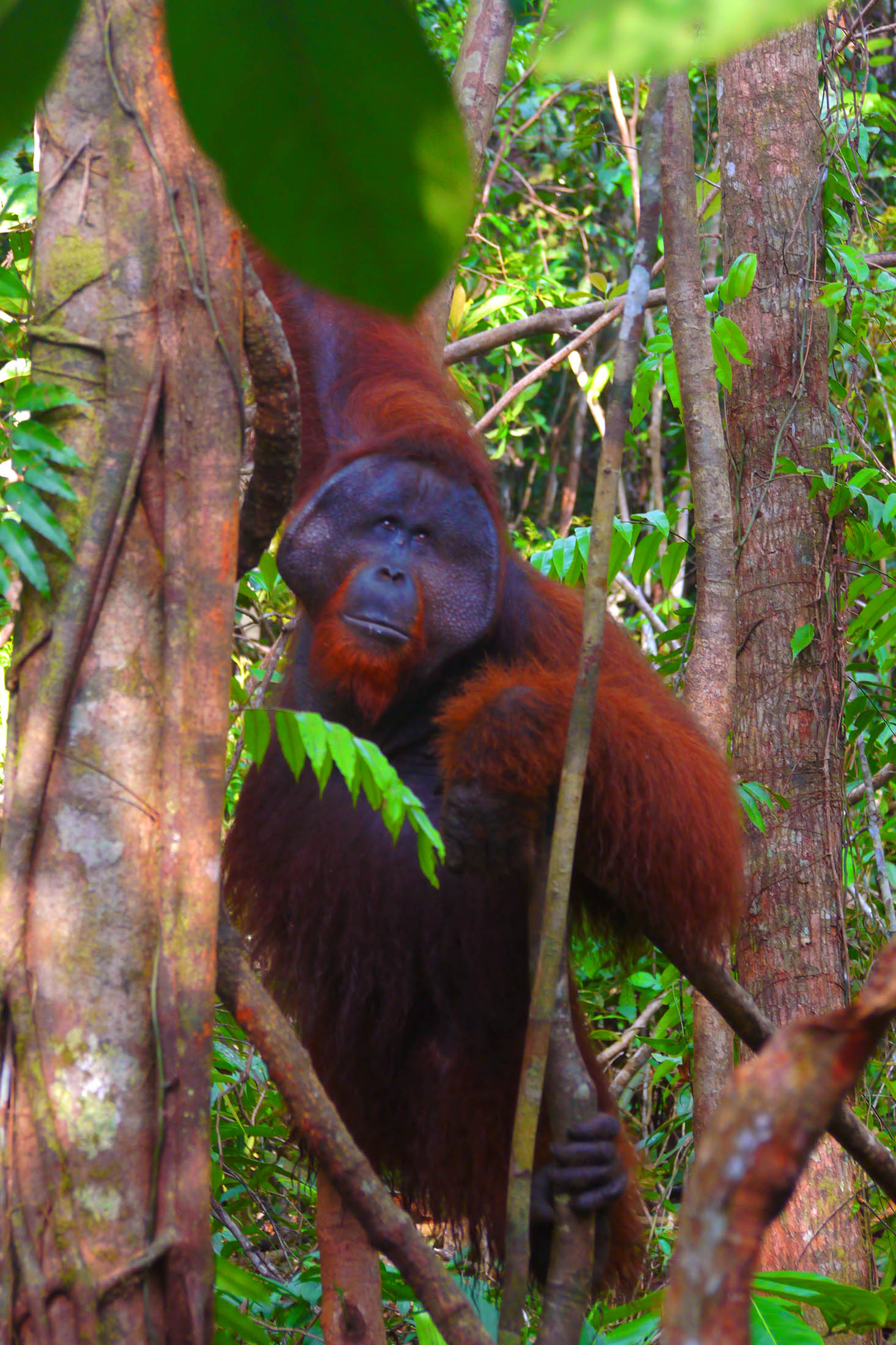
World Orangutan Day 2026 arrived this week with a sobering message from the people who spend their careers pulling the species back from the brink: rescue and release, however moving, cannot substitute for the forest these apes have lost. The reminder was timed to a genuine success story. In June 2026, Indonesian conservation authorities working with the Borneo Orangutan Survival Foundation (BOSF) released five rehabilitated Bornean Orangutans into Bukit Baka Bukit Raya National Park, a swath of protected rainforest straddling the border of West and Central Kalimantan. Each animal had spent months or years in rehabilitation after being orphaned, injured, or displaced by logging and plantation expansion before being cleared to return to the wild.
It is exactly the kind of story that conservation groups like to tell on awareness days — recovery, release, a second chance. But as the report marking the occasion makes clear, those five orangutans represent a fraction of the crisis facing their species, and rehabilitation centers cannot rescue their way out of a habitat emergency.
Why Rescue Alone Falls Short
The Bornean Orangutan is listed as Critically Endangered on the IUCN Red List, the last category before extinction in the wild. Decades of logging, conversion of forest to oil palm plantations, mining, and fire have fragmented the island's lowland rainforest into disconnected patches too small to sustain healthy populations. Orangutans are slow breeders — females typically give birth only once every seven to nine years, the longest birth interval of any land mammal — which means populations recover at a glacial pace even when threats ease.
Rehabilitation centers like the ones BOSF operates in Central and East Kalimantan take in animals that would otherwise die: infants orphaned when their mothers are killed during land clearing, orangutans injured in human-wildlife conflict, or individuals confiscated from the illegal pet trade. The work is painstaking, often taking years per animal before release is viable. But conservationists quoted around World Orangutan Day stressed that every rescued and released orangutan still needs intact, connected forest to return to — and that forest is disappearing faster than new protected corridors can be secured.
The Numbers Behind the Warning
- Bukit Baka Bukit Raya National Park, where the five rehabilitated orangutans were released in June 2026, is one of the last large forest blocks on Borneo capable of supporting a reintroduced population long-term.
- The Bornean Orangutan's IUCN status of Critically Endangered places it in the same risk tier as species with only a handful of individuals left, reflecting how steep its population decline has been over the past several decades.
- Female orangutans' extended birth intervals mean that even a stable, well-protected population recovers numbers slowly, making habitat loss far more consequential than it would be for a faster-breeding species.
- BOSF and Indonesian park authorities have carried out multiple releases in recent years, but each one depends on finding forest that is both suitable and secure from encroachment.
Key Finding: Despite ongoing rescue and release efforts across Borneo, the Bornean Orangutan remains Critically Endangered — underscoring that reintroduction programmes can only succeed where enough intact habitat survives to receive them.
What This Means for Conservation Strategy
The message from BOSF and allied conservation groups is not that rescue work is pointless — the five orangutans released in June are alive and back in the forest because of it. The point is one of scale and sequencing. Protecting and restoring habitat has to happen in parallel with, not after, rescue operations, or rehabilitation centers risk becoming holding pens for animals with nowhere permanent to go. Indonesia has expanded protected areas on Borneo in recent years, and national parks like Bukit Baka Bukit Raya offer a template for the kind of large, connected forest block that gives reintroduced orangutans a realistic chance at establishing home ranges, finding mates, and reproducing.
Conservationists also point to the need for corridors linking isolated forest patches, stronger enforcement against illegal logging and encroachment, and continued cooperation between government agencies, NGOs, and local communities who share landscapes with orangutans. Human-wildlife conflict remains a persistent threat: orangutans that wander into plantations in search of food are sometimes killed or injured, feeding the same cycle of orphaned infants that rehabilitation centers are left to manage.
The Road Ahead
World Orangutan Day is meant to draw attention, and this year's framing does so by refusing an easy, feel-good narrative. The five orangutans released into Bukit Baka Bukit Raya are a genuine win, the product of years of veterinary care, behavioral rehabilitation, and interagency planning. But as the Earth.com report marking the day makes clear, that win only holds if the forest they were released into remains standing, connected, and free from the pressures that orphaned them in the first place.
For a species classified as Critically Endangered, the margin for error is thin. Continued habitat protection, corridor restoration, and community engagement alongside rescue work will determine whether future World Orangutan Days bring more stories like Bukit Baka Bukit Raya — or fewer, because there is less forest left to release anyone into.
Frequently Asked Questions
What is the IUCN status of the Bornean Orangutan?
The Bornean Orangutan (Pongo pygmaeus) is classified as Critically Endangered, the most severe category before a species is considered extinct in the wild.
Why were five orangutans released in June 2026?
Indonesian conservation authorities and the Borneo Orangutan Survival Foundation released five rehabilitated orangutans into Bukit Baka Bukit Raya National Park after they completed rehabilitation following rescue, injury, or displacement.
Why can't rescue programmes alone save the species?
Rescue and rehabilitation address individual animals, but orangutans need large tracts of intact, connected rainforest to survive long-term. Without habitat protection, reintroduced animals have nowhere viable to live and breed.
Where can I learn more about the Bornean Orangutan's conservation status?
You can find detailed data on the species, including its Red List history and population trends, on its SpeciesRadar profile, and read the original World Orangutan Day coverage at Earth.com.
Get weekly conservation intelligence
One short digest a week of the most striking species and country data we ship, plus breaking conservation news paired with our database where it matters.
Free, no spam. One-click unsubscribe in every email.