Bornean Orangutan: Fires Force Rescue
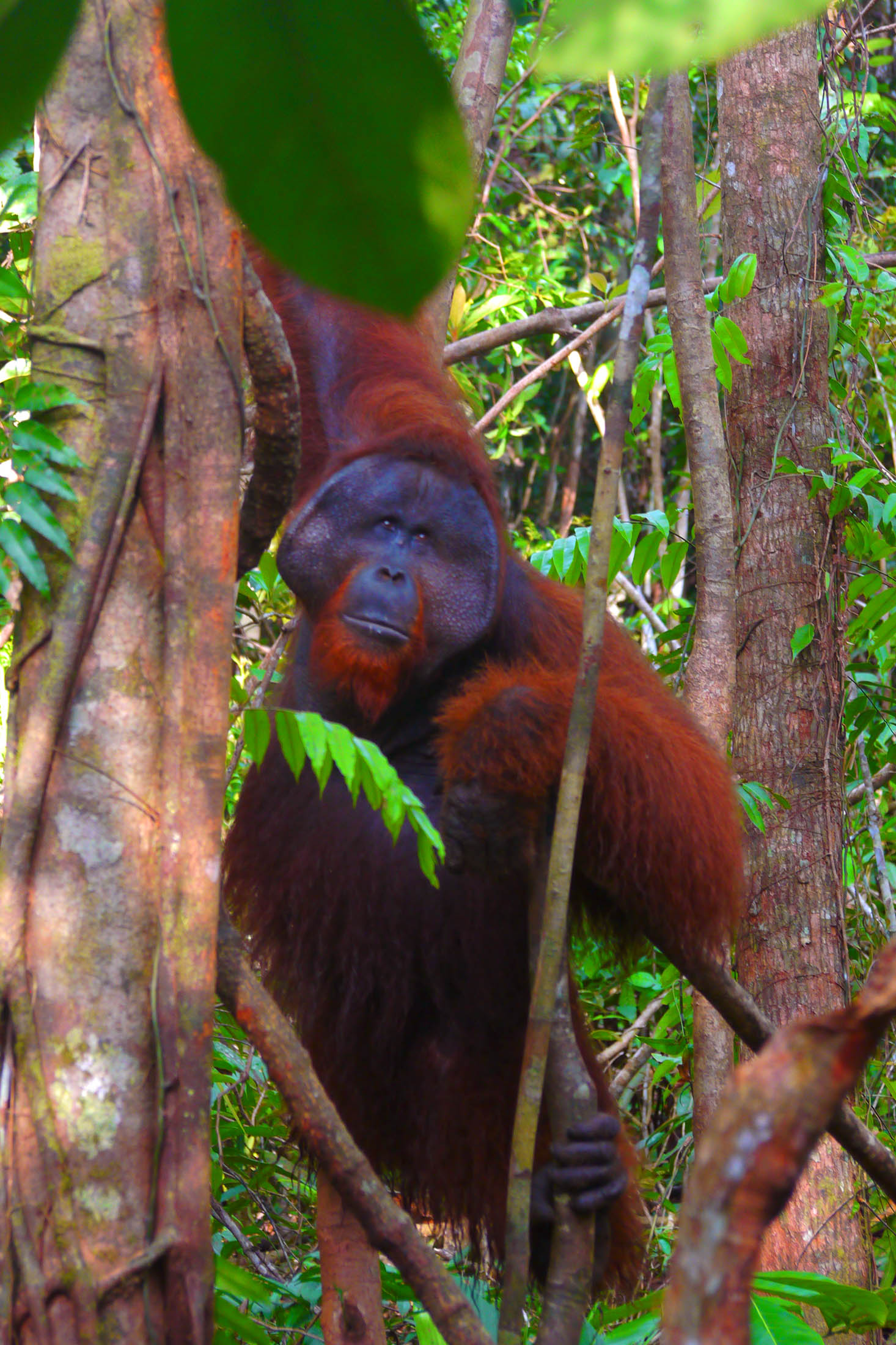
Smoke Over Ketapang: A Species Already on the Brink
Seven Bornean orangutans were pulled from the path of wildfires sweeping through Ketapang, in Indonesia's West Kalimantan province, after an El Niño-intensified dry season turned forest and peatland into tinder through August 2026. A local wildlife rescue organization worked alongside Indonesian government officials to reach animals weakened by smoke inhalation and displaced from burning habitat near oil palm plantations, according to Mongabay's reporting.
The rescue effort is a stark reminder of how quickly a bad fire season can compound existing pressures on one of the world's most imperiled great apes. The Bornean orangutan is classified as Critically Endangered on the IUCN Red List, the steepest category before extinction in the wild. Populations have been sliding for decades as logging, plantation expansion, and fire fragment the lowland and peat-swamp forests the species depends on almost entirely for food, shelter, and safe movement between remaining forest blocks.
What This Means for Orangutans on the Ground
Fire does more than destroy habitat outright. Orangutans are slow-moving, arboreal apes that rely on continuous canopy to travel; when fire clears understorey and canopy alike, animals become stranded in shrinking forest fragments surrounded by cleared land, roads, and plantations. Smoke exposure over sustained periods can cause respiratory distress in orangutans much as it does in humans, and animals weakened by smoke inhalation are more vulnerable to starvation, dehydration, and conflict with people as they wander into agricultural land searching for food and water.
The Ketapang rescues illustrate a pattern conservationists have flagged in Borneo for years: fire seasons intensified by El Niño climate patterns tend to hit hardest in areas where forest has already been fragmented by plantation development. Peatland that has been drained for agriculture burns more easily and for longer than intact forest, turning a natural dry-season risk into a much larger, harder-to-contain crisis. Oil palm concessions bordering remaining forest blocks put orangutan habitat directly in the path of agricultural fires often set to clear land cheaply and quickly.
Why This Fire Season Matters More Than Most
El Niño years bring drier, longer dry seasons to much of Indonesia, and this compounds fire risk across Kalimantan's already-degraded landscapes. Conservation groups operating in the region have repeatedly warned that:
- Peatland fires are especially difficult to extinguish because they burn underground and can smolder for weeks, re-igniting after apparent containment.
- Forest fragmentation from plantation expansion leaves orangutans with fewer refuge options when fire approaches, increasing the odds animals wander into human-dominated areas.
- Smoke haze events during severe fire seasons have historically forced school closures and health warnings across multiple provinces, underscoring the human as well as ecological toll.
- Rescue and rehabilitation capacity is limited relative to the scale of a major fire outbreak, meaning teams must prioritize which animals and areas to reach first.
The Species' Wider Conservation Picture
The Bornean orangutan's overall trajectory has been one of long, grinding decline rather than sudden collapse, punctuated by acute crises like this one. Habitat loss driven by logging concessions, industrial oil palm plantations, and mining has fragmented the species' range across Kalimantan, while poaching and human-wildlife conflict add further pressure on isolated populations. The IUCN Red List's Critically Endangered listing reflects this sustained downward trend, and orangutans' slow reproductive rate, females typically raise a single offspring roughly every seven to eight years, makes recovery from major losses exceptionally slow even where habitat is later protected.

Government and NGO rescue networks in Kalimantan have built up experience over multiple past fire crises, including the severe 2015 and 2019 fire seasons, which gives current responders a playbook for locating and evacuating stranded animals. Rescued individuals are typically assessed for smoke-related injury, treated, and where possible released into safer forest or transferred to rehabilitation centers if their home range has been destroyed. But translocation is not a long-term substitute for intact habitat, and conservationists stress that fire prevention and peatland restoration matter more than emergency response alone.
Outlook
The scale of this year's fire season across West Kalimantan remains a moving picture, and rescue teams are likely to continue monitoring hotspots as the dry season persists. Longer-term, the episode adds urgency to calls for stricter enforcement against illegal land-clearing fires, better peatland rewetting programs, and buffer zones between plantations and remaining forest blocks where orangutans and other wildlife take refuge. Whether this fire season proves an isolated emergency or part of a worsening annual pattern will depend heavily on land-use policy in the months ahead, not just weather.
Frequently Asked Questions
How endangered is the Bornean orangutan?
The Bornean orangutan is listed as Critically Endangered by the IUCN Red List, the last category before a species is considered extinct in the wild, reflecting decades of habitat loss and population decline.
Why do El Niño years increase fire risk in Borneo?
El Niño typically brings longer, drier dry seasons to Indonesia, drying out vegetation and drained peatland so that both natural and human-set fires spread faster and burn longer than in average years.
What threats push orangutans toward fire-affected or human-dominated land?
Habitat fragmentation from logging and oil palm expansion leaves fewer intact forest corridors, so when fires break out, displaced orangutans often have nowhere to go but into plantations and villages, raising conflict and injury risk.
What happens to rescued orangutans?
Rescued animals are typically examined for smoke inhalation or injury, treated by veterinary teams, and either released into unaffected forest or moved to rehabilitation centers if their original habitat has been destroyed.
Get weekly conservation intelligence
One short digest a week of the most striking species and country data we ship, plus breaking conservation news paired with our database where it matters.
Free, no spam. One-click unsubscribe in every email.