Andean Bear Spotted on Camera in Colombia Corridor

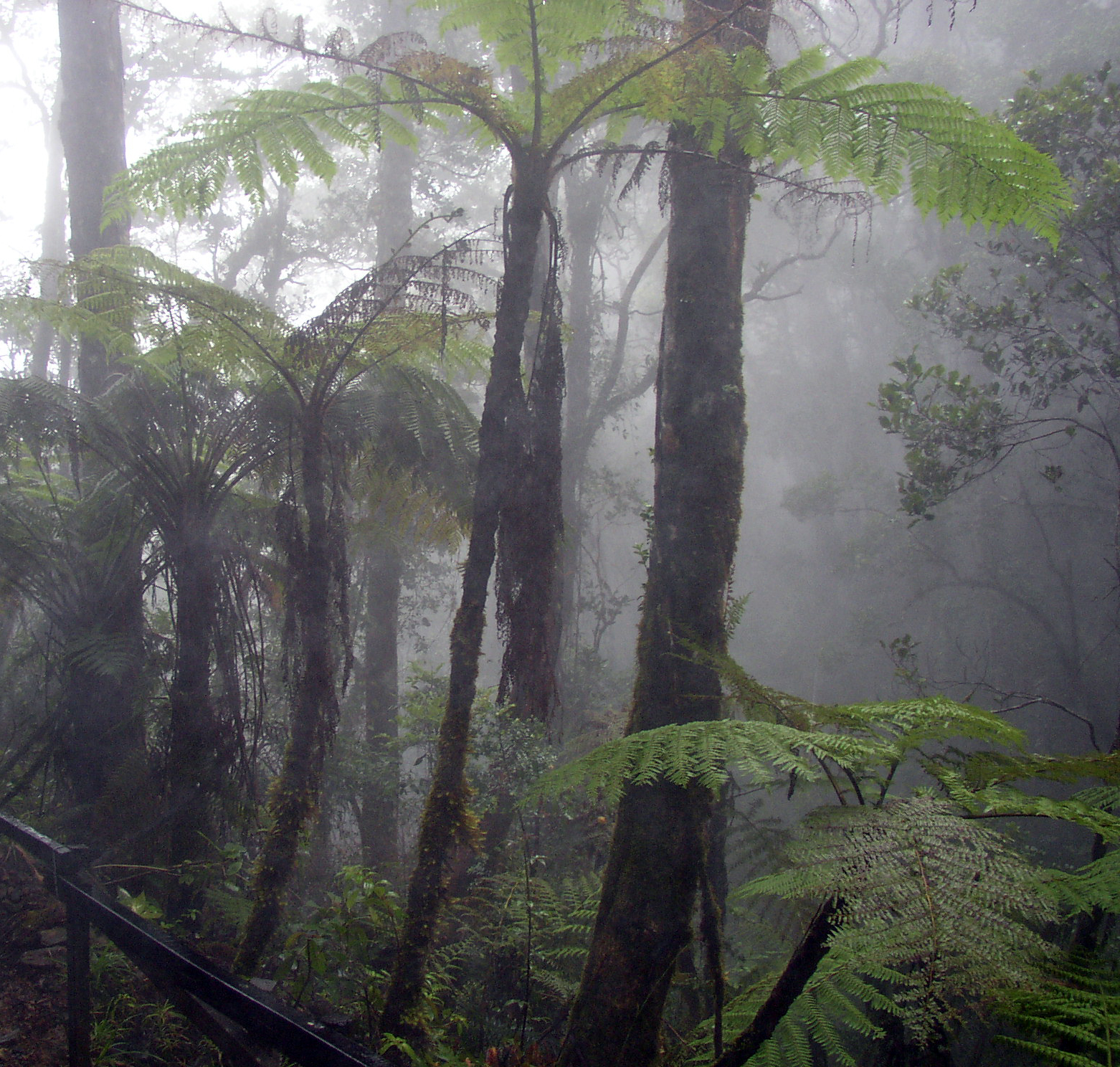
A camera trap tucked into the cloud forest of Colombia's Chilí-Barragán biological corridor has captured something conservationists have waited years to confirm: a young male Andean bear, alive, active, and moving through terrain that links two major mountain ranges once considered too fragmented for the species to cross.
The sighting, reported by Colombia One, comes from a stretch of forest connecting the Western and Central Andean ranges in Valle del Cauca department. For the biologists and local partners who have spent roughly a decade restoring and protecting this corridor, the image is more than a pleasant surprise — it is evidence that habitat connectivity work is translating into real, measurable use by one of South America's most elusive large mammals.
What the Sighting Confirms
Andean bears, also known as spectacled bears, are notoriously difficult to monitor. They are shy, largely solitary, and range across some of the most rugged, densely vegetated terrain in the Americas, from misty páramo grasslands down through montane cloud forest. Camera trap footage showing a young male in the Chilí-Barragán corridor suggests the animal is not simply passing through but potentially establishing territory in a zone that was specifically restored to reconnect fragmented bear habitat.
That distinction matters. Isolated bear populations, cut off from one another by agriculture, roads, and deforestation, face a slow-motion crisis: reduced genetic exchange, shrinking home ranges, and higher vulnerability to local extinction. A biological corridor only earns its name if animals actually use it. This sighting is field evidence that they are.

Why the Species Still Needs Watching
The Andean bear, scientific name Tremarctos ornatus, is currently listed as Vulnerable on the IUCN Red List. It is the only bear species native to South America and a keystone presence in the ecosystems it inhabits, dispersing seeds across long distances and shaping forest structure through its feeding habits. Despite its ecological importance, comprehensive population counts remain elusive — researchers still lack a precise, range-wide population estimate, a gap that itself reflects how difficult this species is to survey across its remote, mountainous distribution.
That uncertainty is part of why sightings like this one carry outsized weight. In the absence of dense population data, occupancy records — confirmation that bears are present and moving through specific corridors — become one of the most reliable indicators conservationists have for tracking whether interventions are working.
The Decade Behind the Corridor
The Chilí-Barragán corridor did not become viable bear habitat by accident. According to the reporting from Colombia One, the site is the product of roughly ten years of sustained partnership work involving conservation organizations and local communities focused on protecting and reconnecting bear range across the Western and Central Andes. That kind of multi-year investment is typical of what large-carnivore corridor projects require: land negotiations, reforestation, community agreements limiting hunting and land conversion, and ongoing monitoring to see whether the effort pays off.
- Camera traps confirmed a young male Andean bear actively using the Chilí-Barragán corridor
- The corridor links previously fragmented habitat in the Western and Central Andean ranges
- The finding follows roughly a decade of habitat restoration and community conservation partnerships
- The Andean bear is currently classified as Vulnerable on the IUCN Red List
- Precise population figures for the species remain difficult to establish due to its remote, dispersed range
The Wider Conservation Picture
Colombia holds some of the most significant remaining Andean bear habitat anywhere in the species' range, which stretches from Venezuela down through Ecuador, Peru, and into Bolivia. Habitat loss driven by agricultural expansion, cattle ranching, and infrastructure development remains the primary pressure on the species throughout that range, alongside localized conflict with farmers when bears raid crops or livestock in search of food. Corridors like Chilí-Barragán are designed to counter exactly that kind of fragmentation by giving bears safe passage between larger blocks of intact forest, reducing the likelihood of isolated, inbred subpopulations.
You can find more background on the species, including its IUCN status and range, on the Andean bear species profile.
The presence of a young male in this particular corridor is encouraging for another reason: dispersing young males are often the first indicator that a landscape is becoming permeable again. Established adults tend to hold known territories, but younger, dispersing individuals are the ones most likely to test new routes — meaning this sighting may be an early signal rather than an isolated event.
Outlook
Conservation groups working in the region are expected to continue monitoring the corridor with camera traps to determine whether this sighting represents a one-off transit or the beginning of sustained bear activity in the area. Continued funding for habitat protection, community engagement to reduce human-bear conflict, and expanded camera trap coverage across the broader Western-Central Andes linkage will likely determine whether this early sign of success scales into a durable population recovery.
For now, the image of a young bear picking its way through restored forest stands as a rare, tangible marker of progress for a species whose numbers are otherwise difficult to pin down — a reminder that patient, long-term corridor work can produce results even when they are years in the making.
Frequently Asked Questions
What is the IUCN status of the Andean bear?
The Andean bear, or spectacled bear, is classified as Vulnerable on the IUCN Red List, reflecting ongoing pressure from habitat loss and fragmentation across its South American range.
Why is the Chilí-Barragán corridor sighting significant?
It confirms that a biological corridor built to reconnect fragmented habitat in Colombia's Western and Central Andes is actually being used by bears, providing rare, direct evidence that a decade of restoration work is functioning as intended.
Where do Andean bears live?
Andean bears range through the tropical Andes, including parts of Venezuela, Colombia, Ecuador, Peru, and Bolivia, typically inhabiting cloud forest, montane forest, and high-altitude páramo grassland.
What are the biggest threats to Andean bears?
The species faces ongoing habitat loss from agricultural expansion and cattle ranching, fragmentation of forest corridors, and conflict with farmers over crop or livestock damage.
Source: Colombia One
Get weekly conservation intelligence
One short digest a week of the most striking species and country data we ship, plus breaking conservation news paired with our database where it matters.
Free, no spam. One-click unsubscribe in every email.